Galaxies
At its topmost scale (as far as we know), in the universe, the biggest structure is the galaxy.
There are an estimated 2 trillion galaxies, each with at least 100 billion stars and lots of gas and dust.
Galaxies are where stars form, evolve and die. Most large galaxies appear to have a supermassive
black hole at their center. Galaxies also range in shape from irregular (usually small), through elliptical,
to exotic spirals (often massive). These spirals also come in various types.
Our Milky Way appears to be a barred spiral with 2 main arms and 2 secondary arms. We are on the inside edge of a secondary arm
about 30% of the way out from the center.
Each pair shows the original photograph on the left and the annotated version
on the right. Annotations generated by GPT; photographs by Dog-Star Observatory,
Cape Haze, FL. Click either photograph to open its larger version.
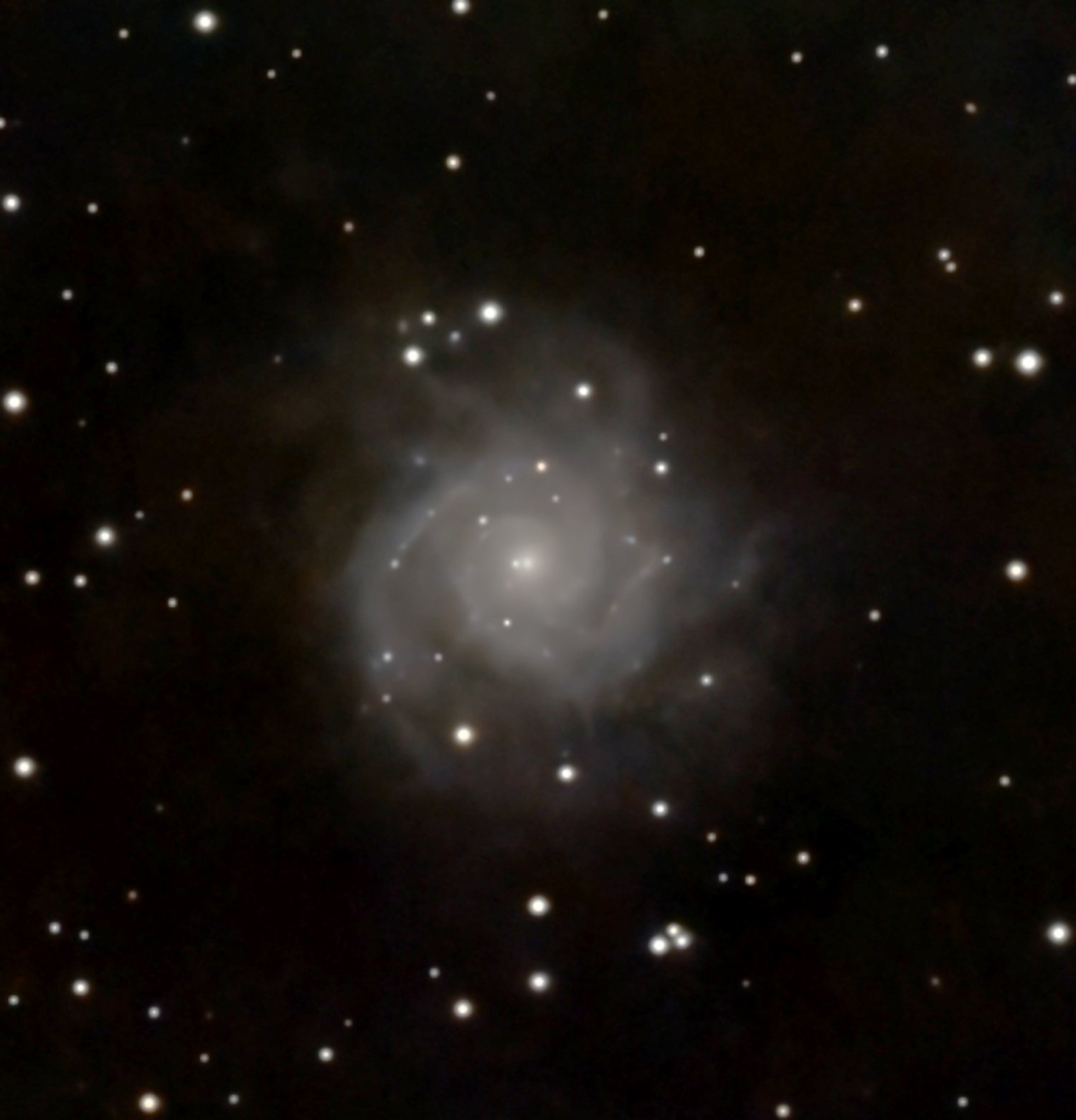
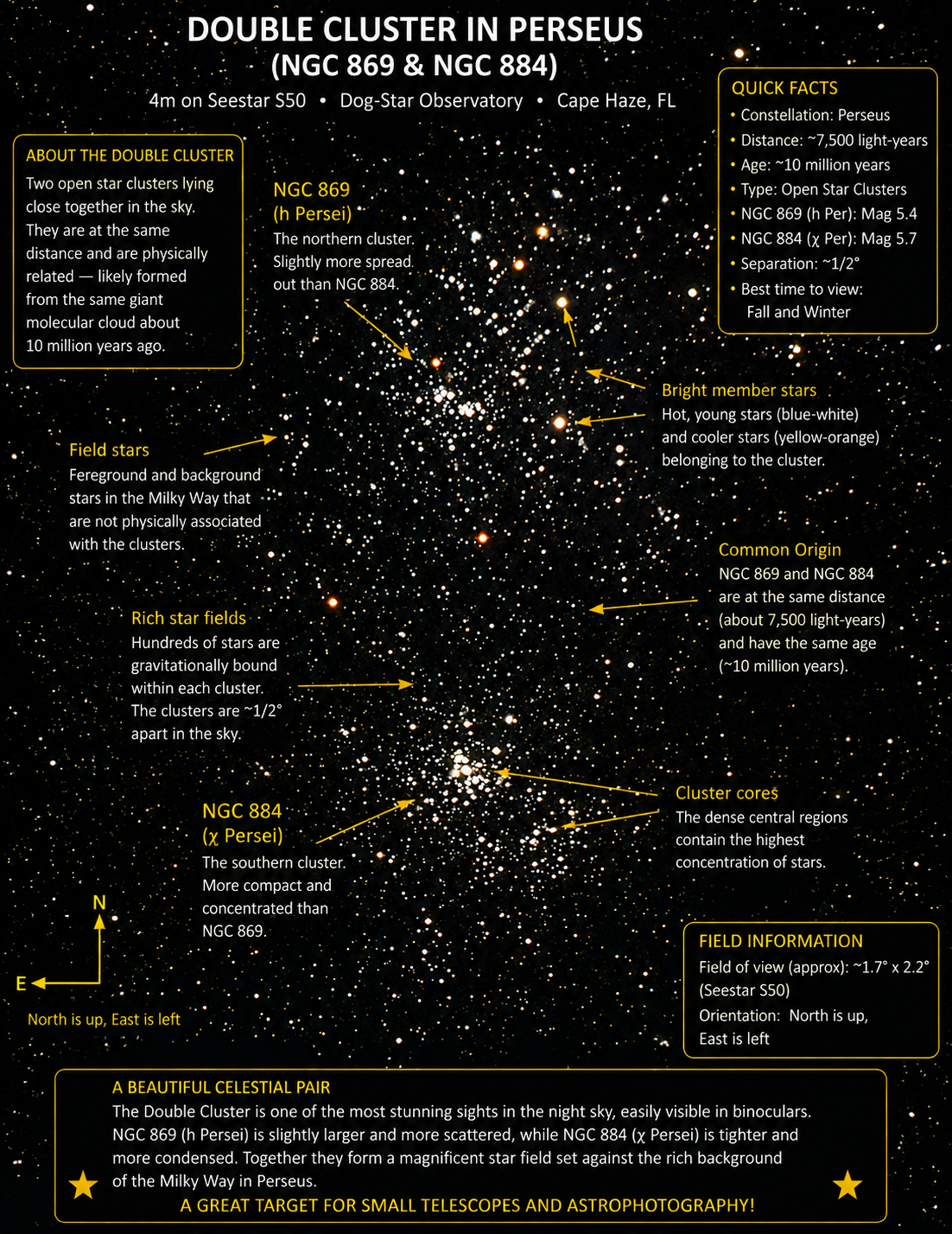
Picture 1 — Messier 74 (M74) — Phantom Galaxy
Messier 74 is a nearly face-on spiral galaxy in Pisces, about 30 million light-years from Earth. Its low surface brightness makes it visually challenging, but photographs reveal a symmetrical disk with a compact central bulge and graceful spiral arms. The face-on orientation makes M74 especially useful for examining the overall structure of a spiral galaxy without the obscuring effects encountered when a galaxy is viewed edge-on.
The spiral arms contain dust, gas, and regions of active star formation. Their clumpy appearance traces concentrations of young stars and stellar nurseries embedded in the disk. M74 is often considered an excellent example of a grand-design spiral galaxy, showing how density patterns organize stars and interstellar material into large-scale spiral structure.
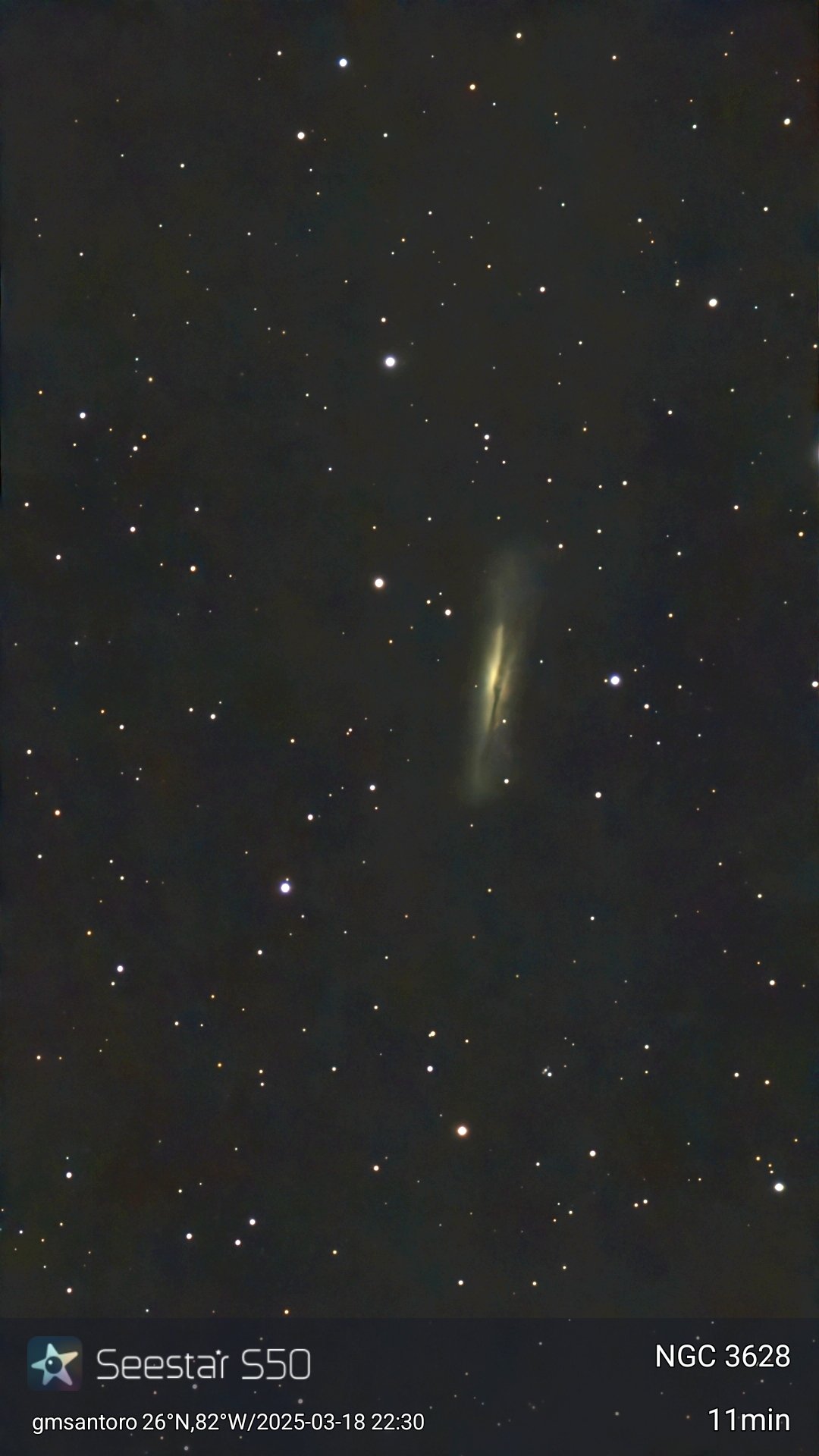
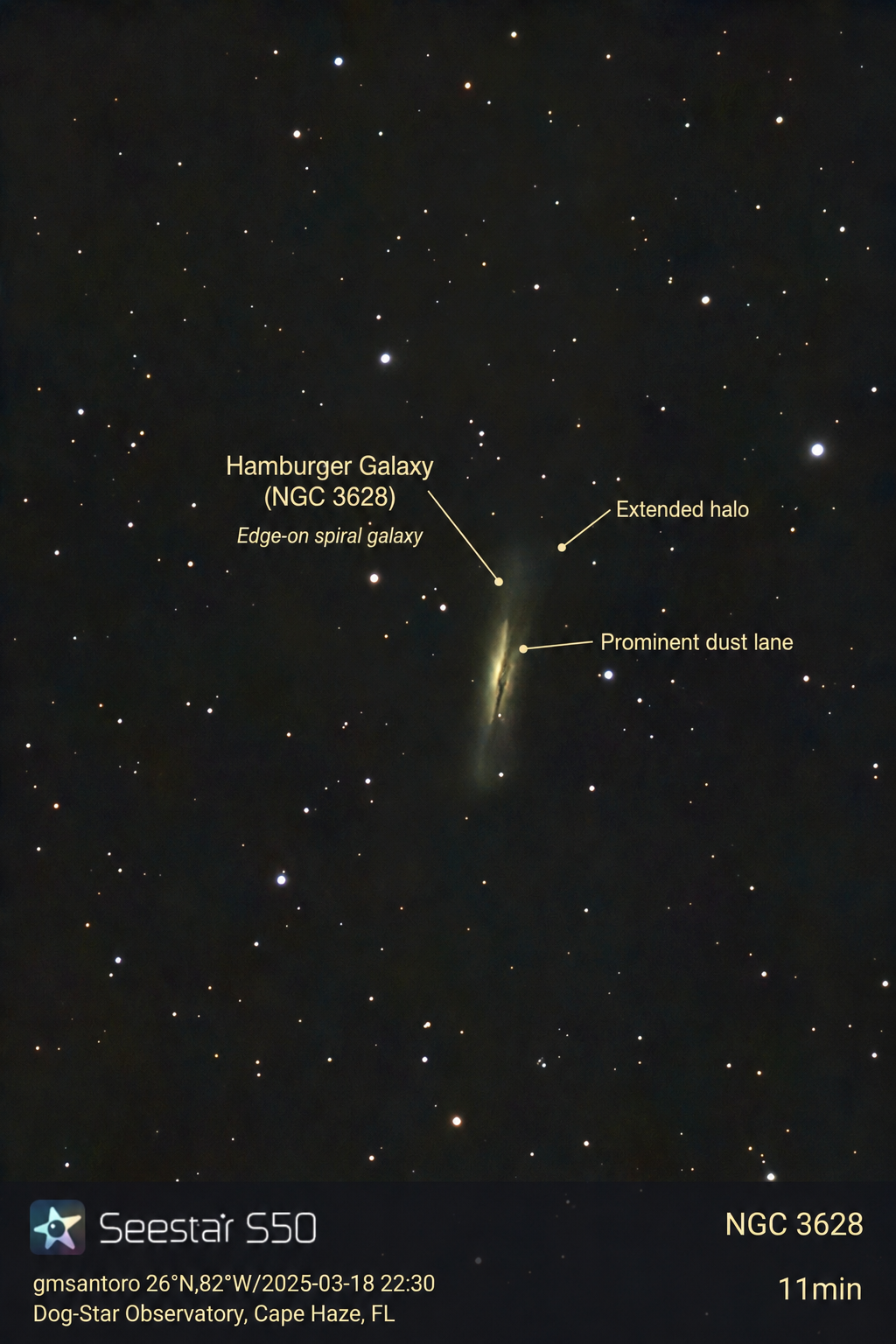
Picture 2 — NGC 3628 — Hamburger Galaxy
NGC 3628 is an edge-on spiral galaxy in Leo and a member of the famous Leo Triplet with M65 and M66. It lies roughly 35 million light-years away. Because we view its disk almost exactly from the side, the galaxy appears as a long, narrow band with a prominent dark dust lane cutting across its brighter central region.
Gravitational interaction with its neighboring galaxies has disturbed NGC 3628 and produced an enormous tidal tail extending far beyond the visible disk. Although that faint structure may not be obvious in a short exposure, the warped disk and complex dust structure are evidence that galaxies are dynamic systems whose shapes can be altered by encounters with other galaxies.
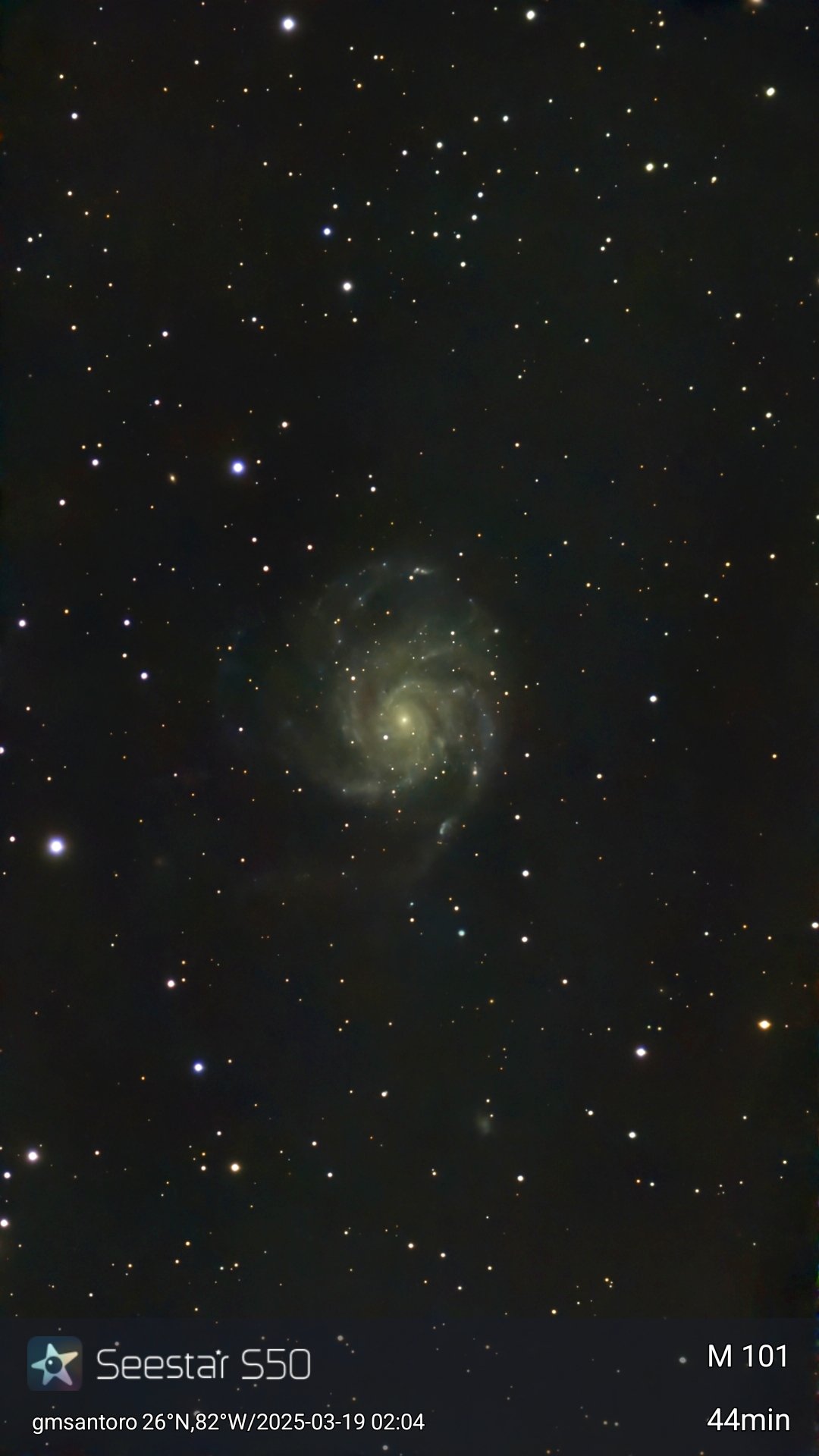
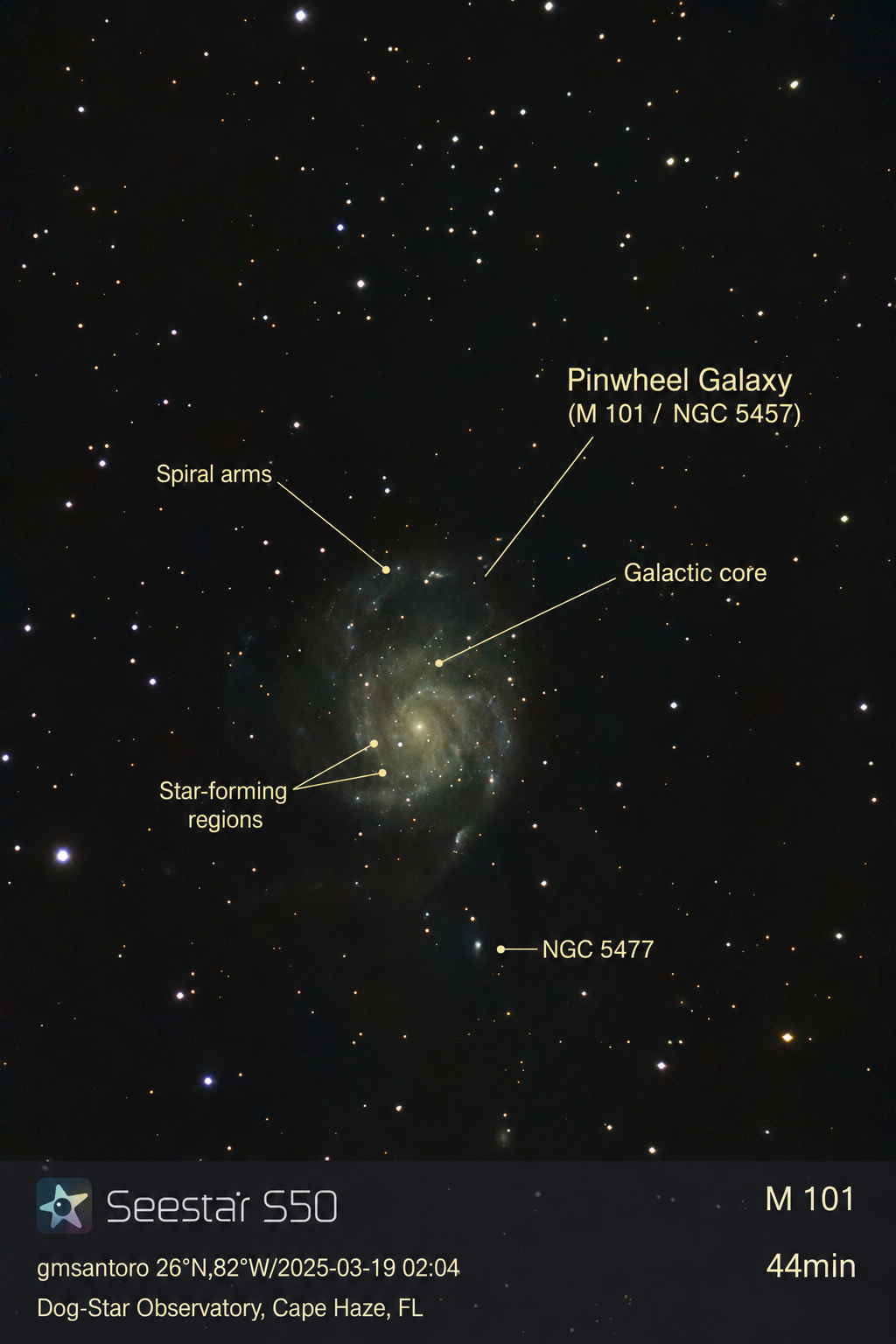
Picture 3 — Messier 101 (M101) — Pinwheel Galaxy
Messier 101 is a large face-on spiral galaxy in Ursa Major, approximately 21 million light-years away. Its disk is unusually broad and asymmetric, with loosely wound spiral arms extending far from the bright central region. The nearly face-on view allows the spiral pattern and numerous knots of star formation to be seen across much of the galaxy.
Many of the brighter patches in M101's arms are enormous H II regions where massive young stars ionize surrounding hydrogen gas. The galaxy's asymmetric structure is probably influenced by gravitational encounters with nearby companion galaxies. M101 therefore provides a striking example of both spiral structure and the effects that interactions can have on star formation and galactic morphology.
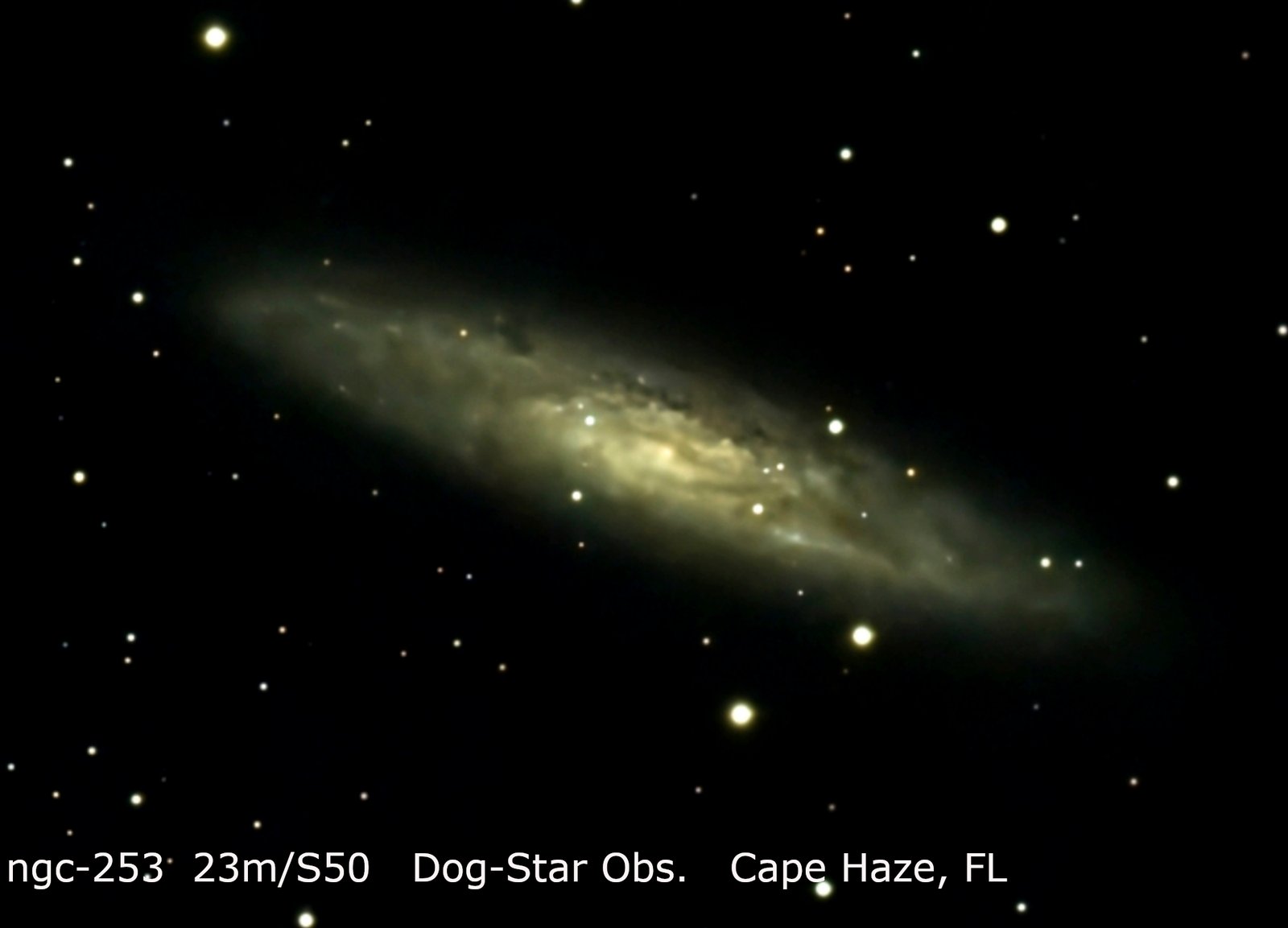
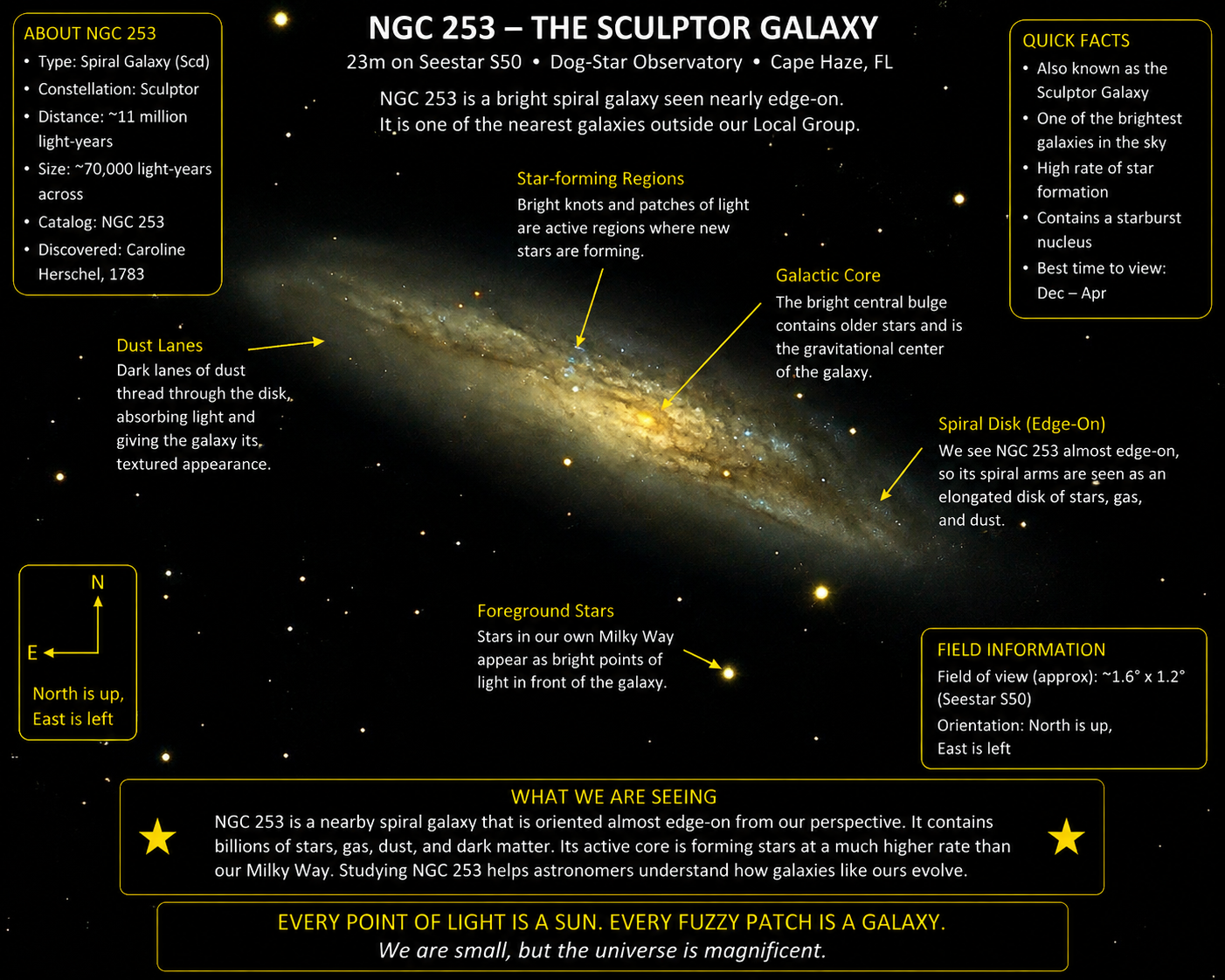
Picture 4 — NGC 253 — Sculptor Galaxy
NGC 253, commonly called the Sculptor Galaxy, is a large spiral galaxy roughly 11 million light-years away and one of the brightest galaxies beyond the Local Group. We see it at a steep angle, revealing an elongated disk filled with irregular dust lanes and mottled regions of stars and gas.
The central region of NGC 253 is undergoing intense star formation, making it a classic starburst galaxy. Large numbers of young massive stars, supernovae, and stellar winds inject energy into the surrounding gas. The complicated texture visible across its disk reflects the mixture of dust, star-forming regions, and older stellar populations within this active nearby galaxy.
Picture 5 — Caldwell 6 (NGC 6543) — Cat's Eye Nebula
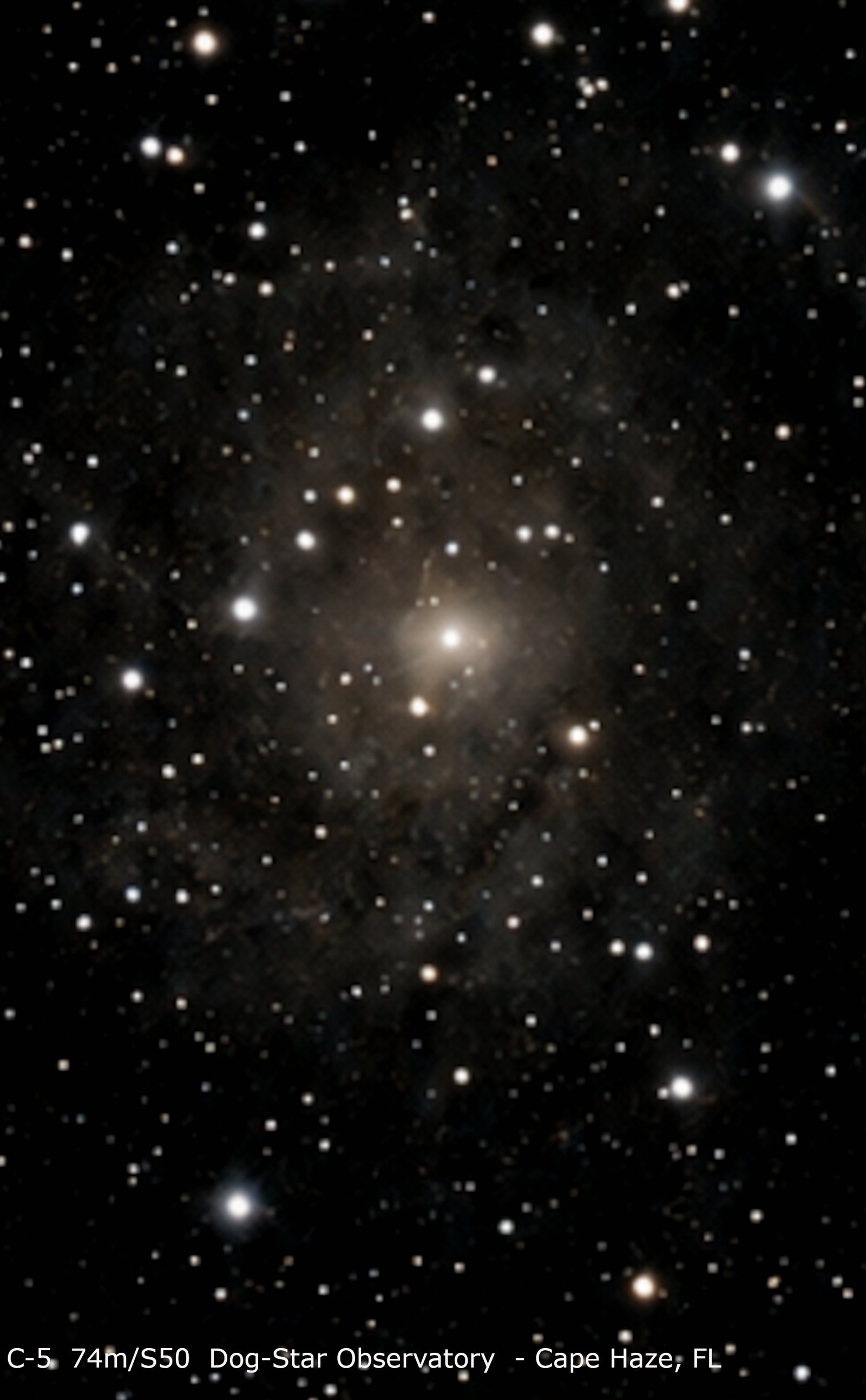
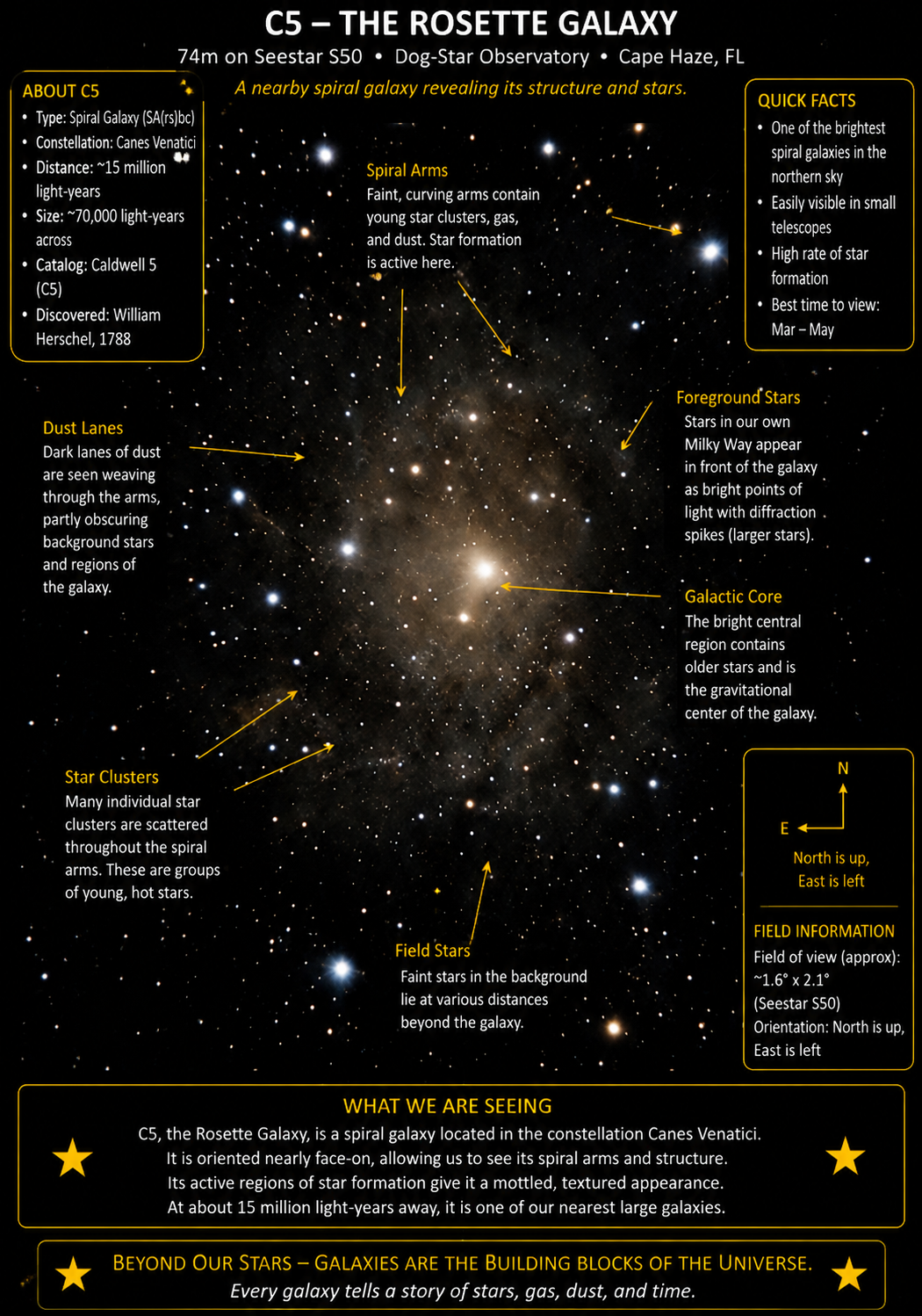
Caldwell 6 is NGC 6543, the Cat's Eye Nebula, a planetary nebula in Draco rather than a galaxy. It is the expanding outer atmosphere of a dying Sun-like star, expelled during the late stages of stellar evolution. The bright central remnant illuminates and ionizes the surrounding gas, producing the compact glowing structure seen from Earth.
Its intricate shells, knots, and arcs indicate that the star did not lose its outer layers in one simple event. Repeated episodes of mass loss and interacting stellar winds helped create the nebula's complex geometry. Although included here according to the supplied picture sequence, C6 is physically a Milky Way planetary nebula rather than an external galaxy.
Picture 6 — Messier 51 (M51) — Whirlpool Galaxy
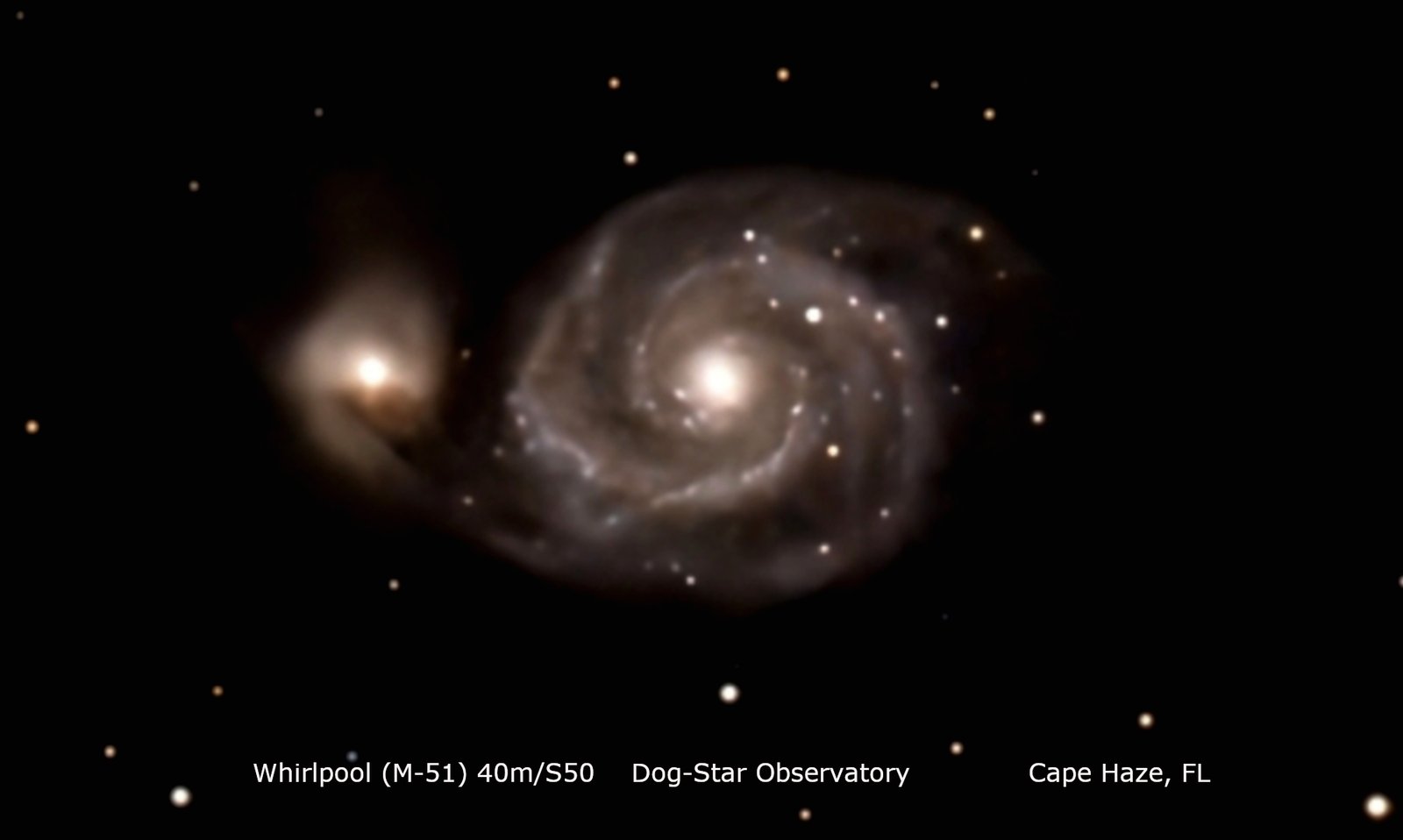
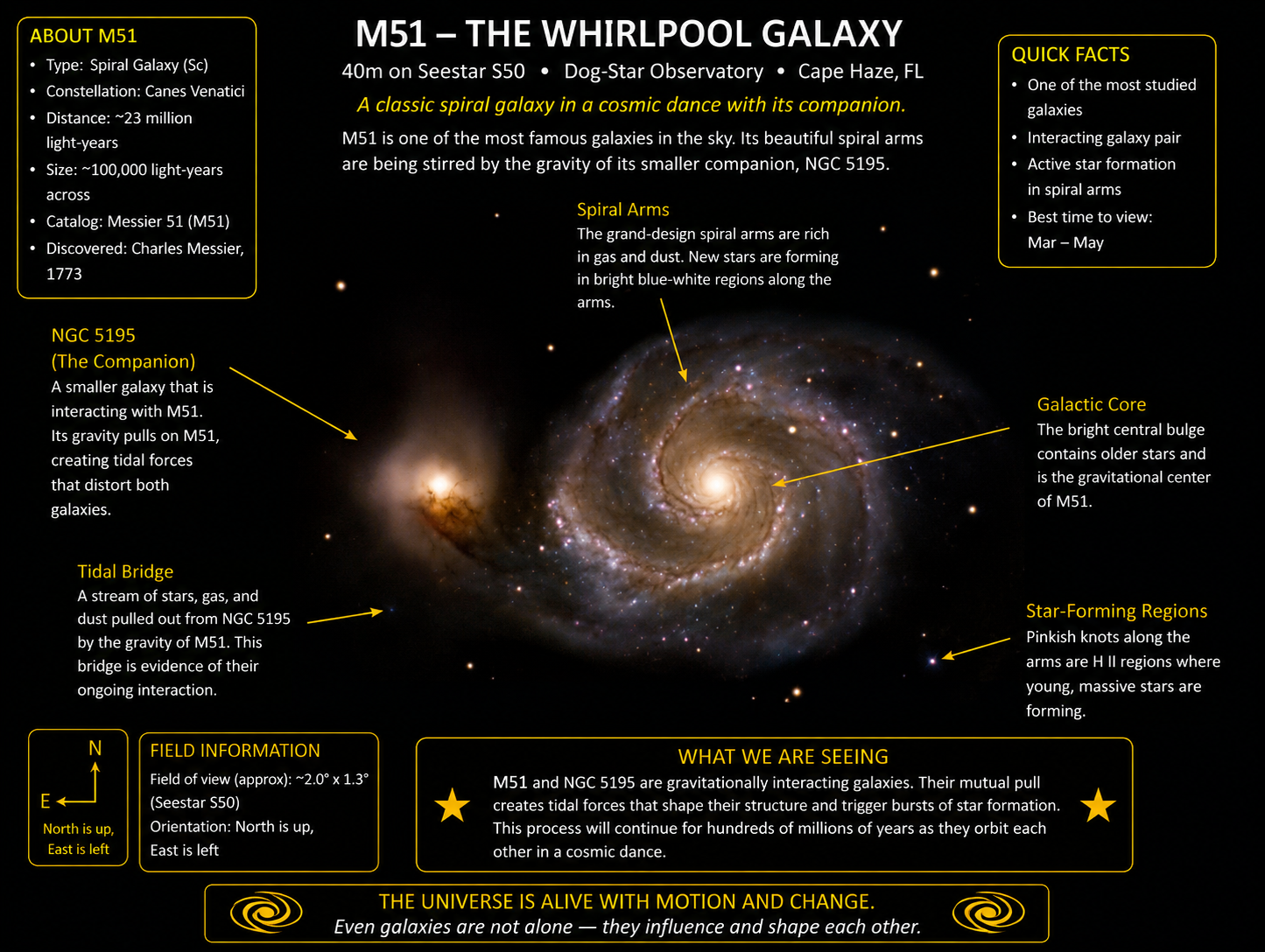
Messier 51, the Whirlpool Galaxy, is one of the finest examples of a grand-design spiral galaxy. Located about 23 million light-years away in Canes Venatici, it is seen nearly face-on. Its two prominent spiral arms wind outward from a bright nucleus and contain numerous knots of young stars and star-forming regions.
The smaller companion galaxy NGC 5195 lies beside M51 and is gravitationally interacting with it. That encounter has helped strengthen M51's spiral structure and trigger star formation within its arms. The pair demonstrates dramatically how gravitational interactions can reshape galaxies without requiring an immediate merger.
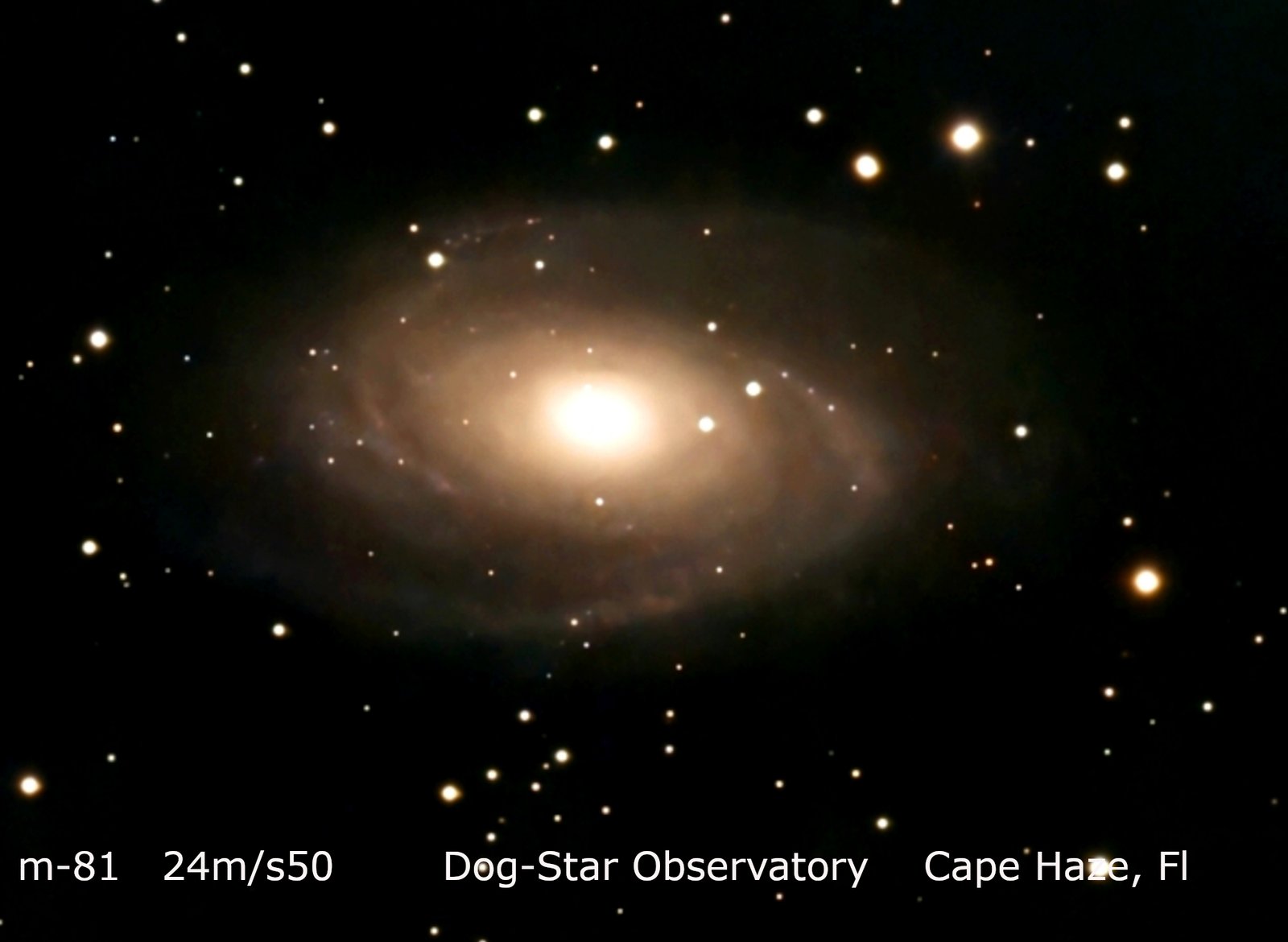
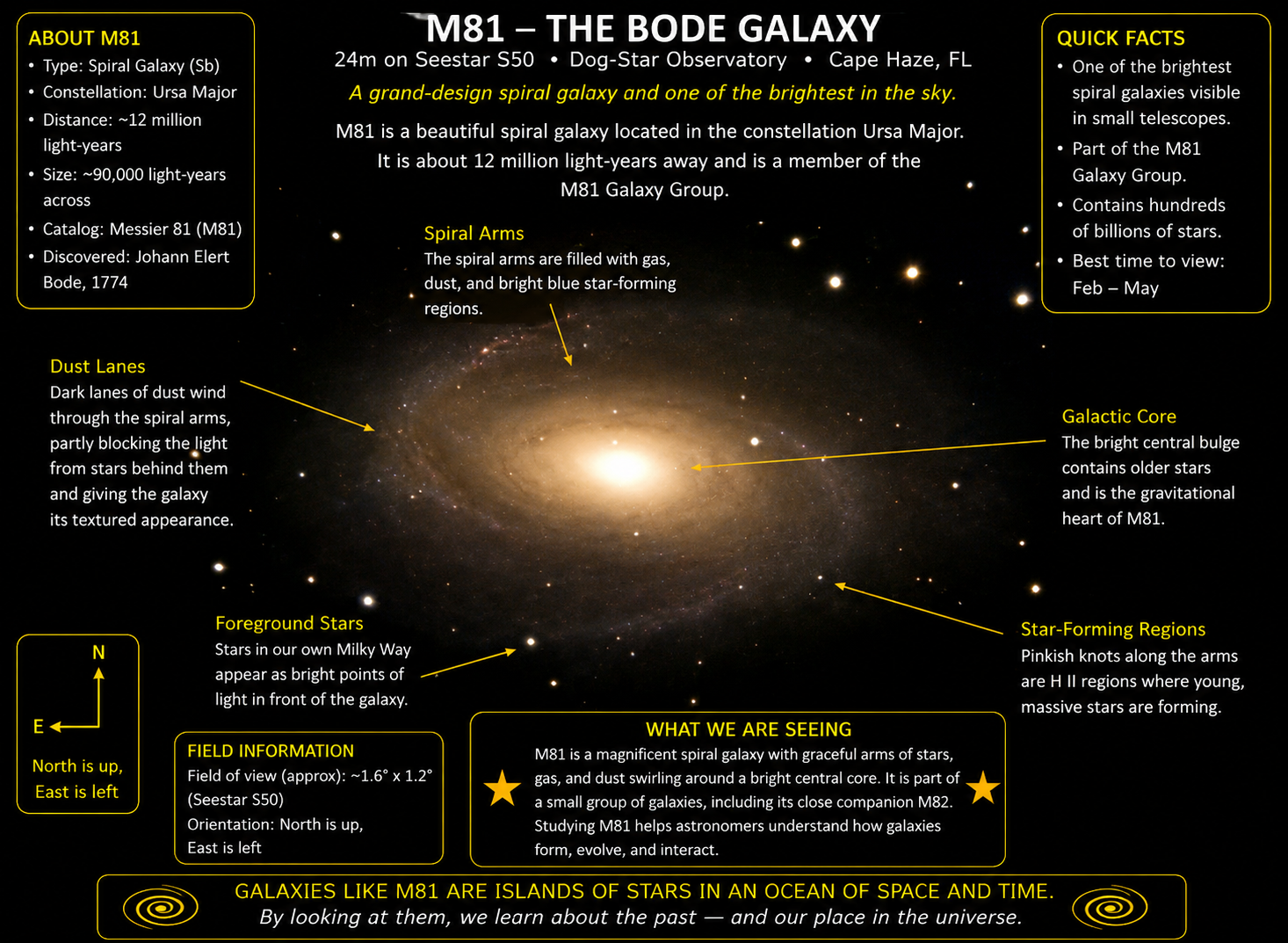
Picture 7 — Messier 81 (M81) — Bode's Galaxy
Messier 81 is a large spiral galaxy in Ursa Major, about 12 million light-years from Earth. Its bright central bulge and relatively smooth, well-defined spiral arms make it a classic example of a massive spiral galaxy. M81 is one of the dominant members of the nearby M81 Group.
M81 has interacted gravitationally with neighboring galaxies, especially M82 and NGC 3077. Radio observations reveal streams of neutral hydrogen connecting members of the group, evidence of past close encounters. Its comparatively orderly appearance contrasts strongly with the disturbed structure of M82, making the pair especially interesting for studying the consequences of galactic interactions.
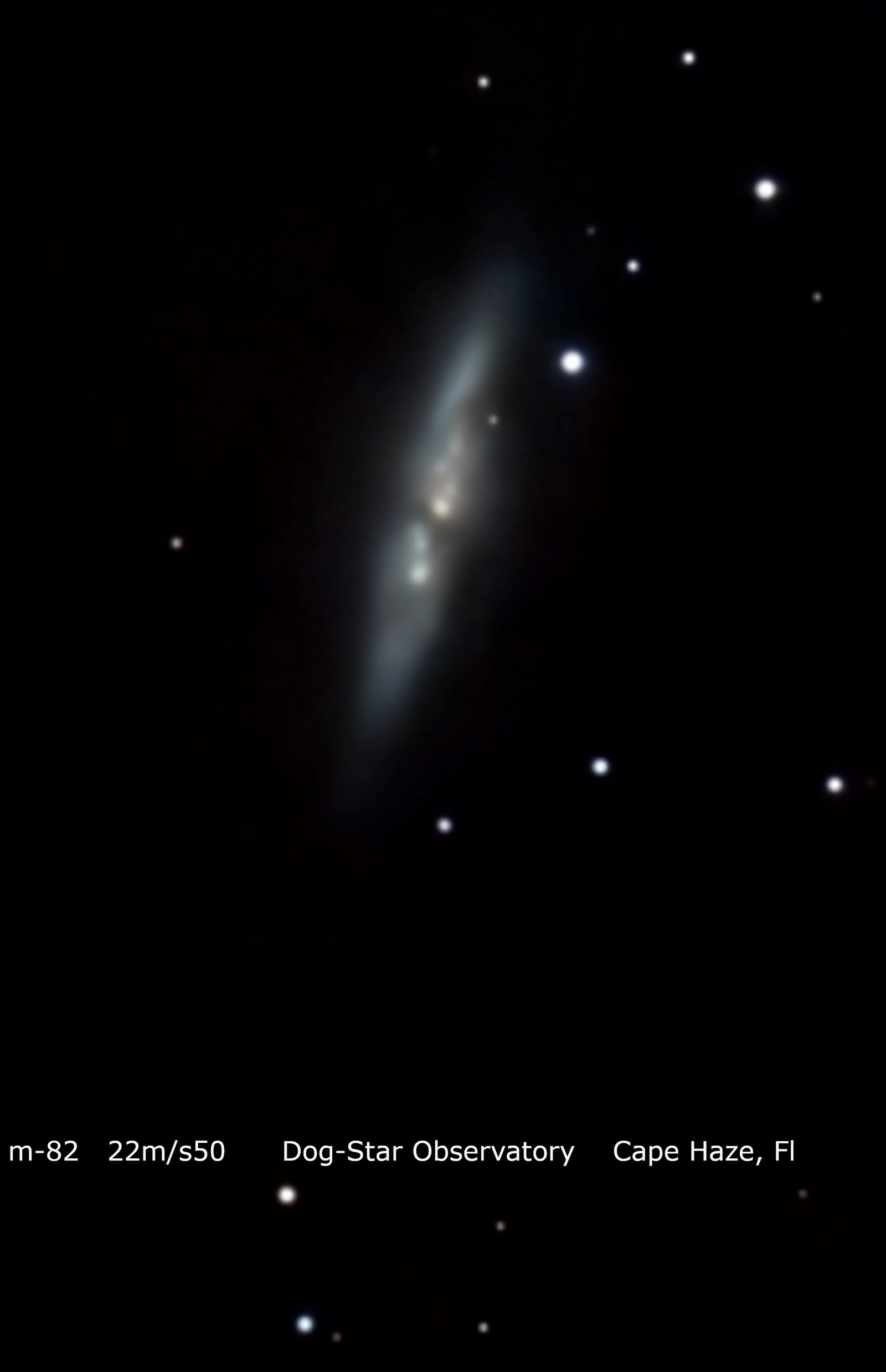
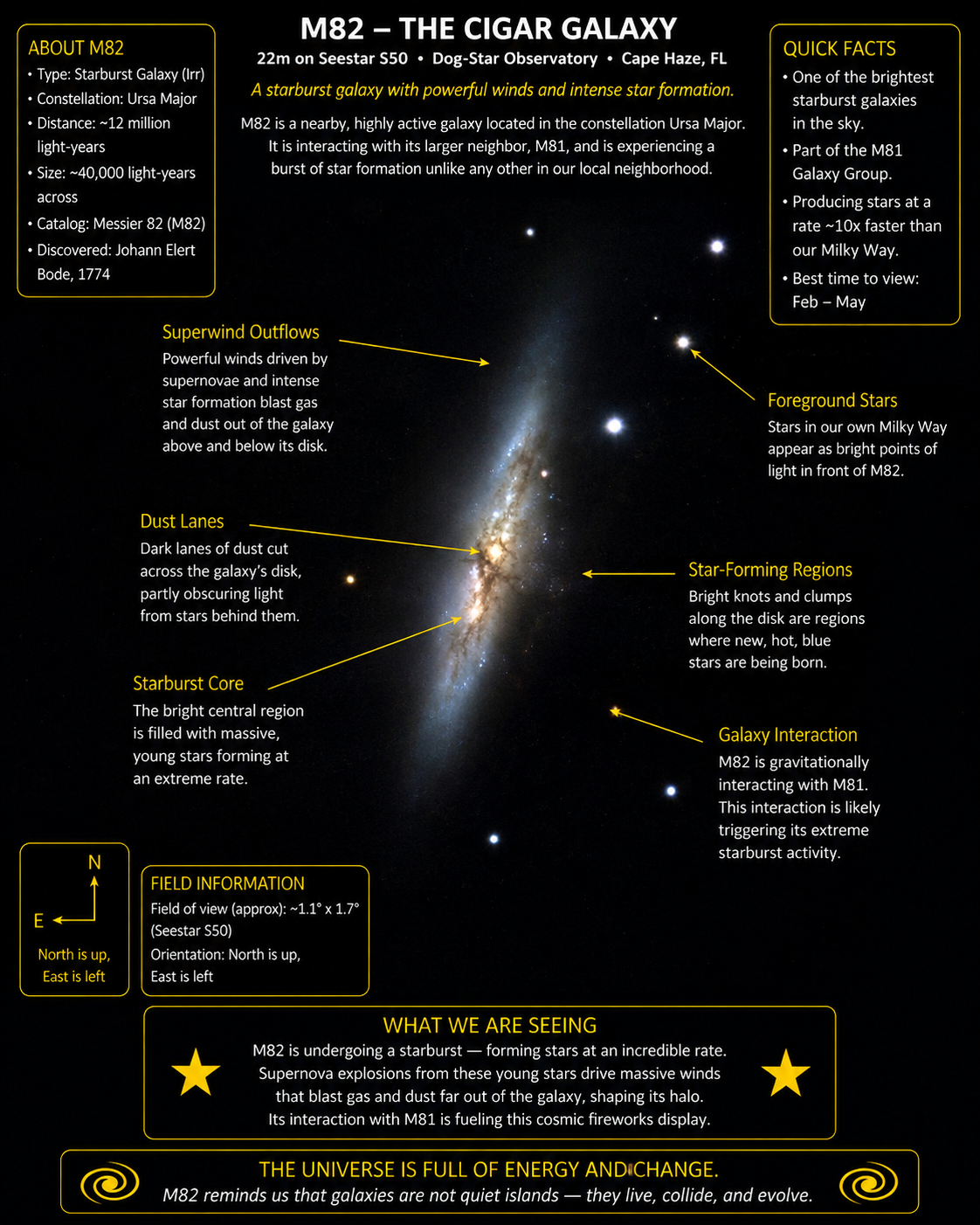
Picture 8 — Messier 82 (M82) — Cigar Galaxy
Messier 82, the Cigar Galaxy, is a nearby starburst galaxy about 12 million light-years away in Ursa Major. Viewed nearly edge-on, it has an elongated and irregular appearance. Unlike the relatively orderly spiral structure of nearby M81, M82's central region is undergoing an extraordinary burst of star formation.
A past gravitational encounter with M81 compressed gas within M82 and helped trigger its starburst activity. Massive young stars and frequent supernovae drive powerful winds of hot gas outward from the central region. M82 is therefore an important nearby laboratory for studying how interactions can transform galaxies and produce intense episodes of star formation.
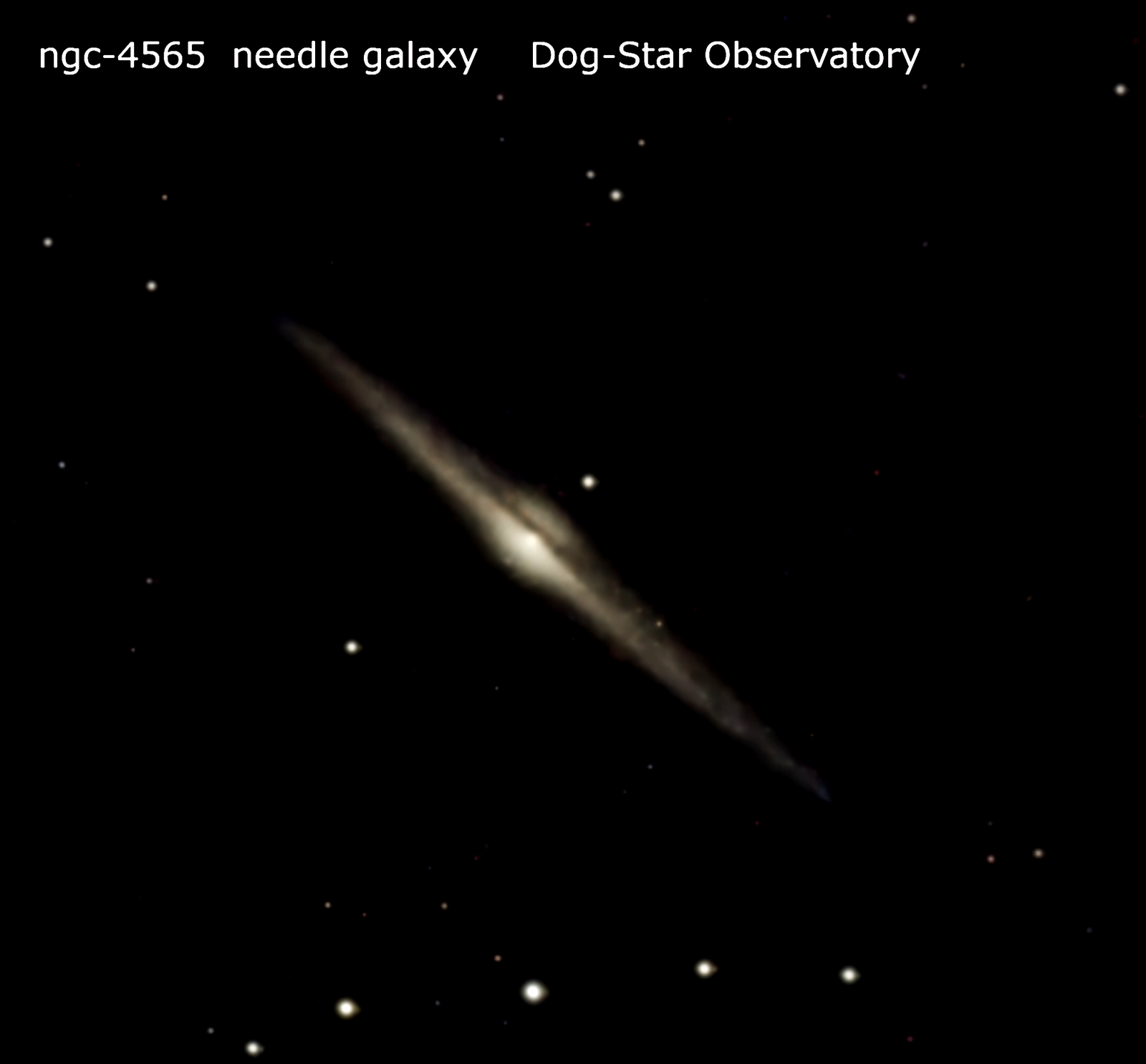
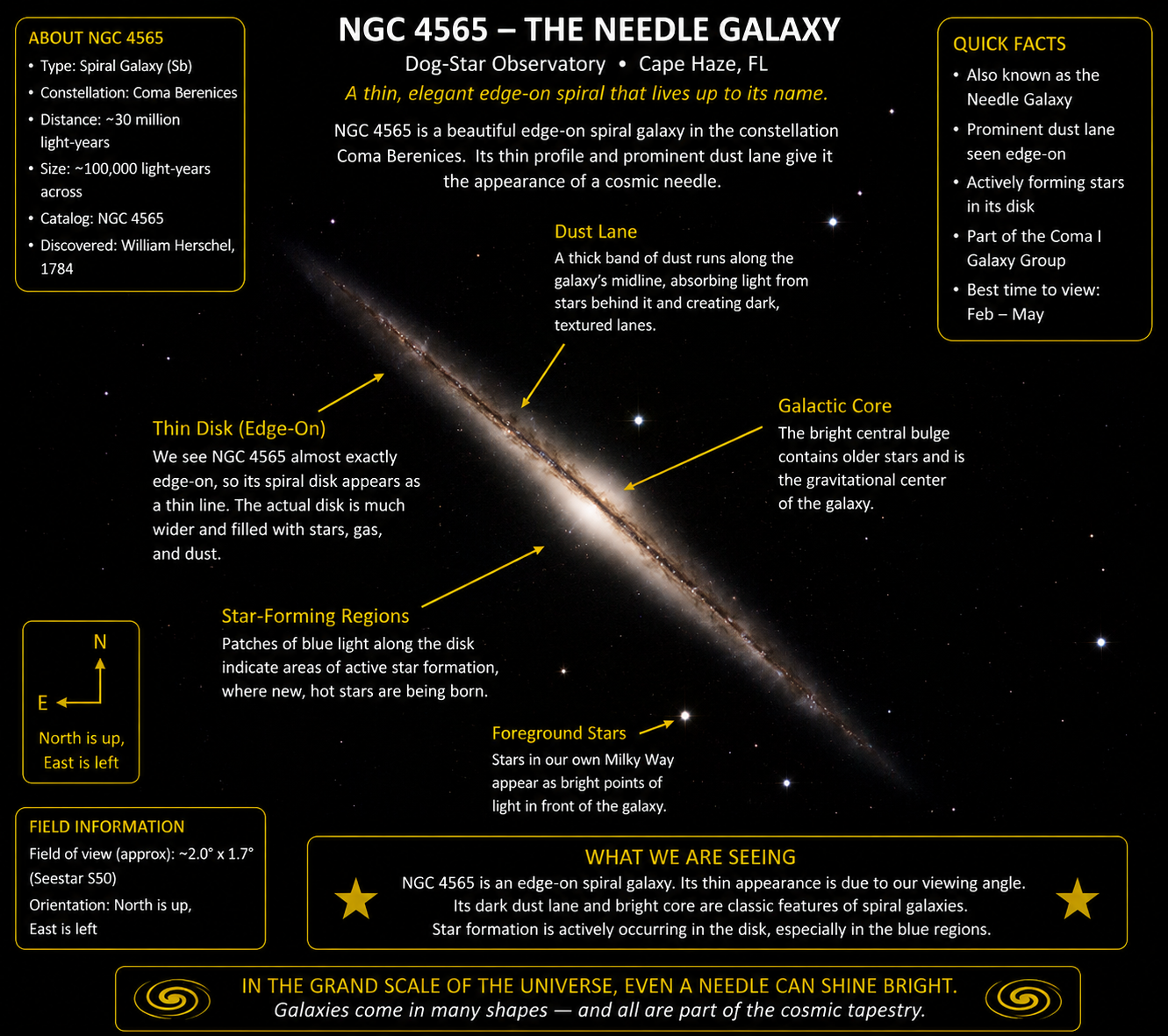
Picture 9 — NGC 4565 — Needle Galaxy
NGC 4565, the Needle Galaxy, is a large spiral galaxy in Coma Berenices seen almost perfectly edge-on. It lies roughly 40 million light-years away. Its extremely thin stellar disk, bright central bulge, and dark equatorial dust lane create the characteristic needle-like appearance that gives the galaxy its popular name.
Because its orientation is so different from face-on spirals such as M74 or M101, NGC 4565 provides an excellent view of the vertical structure of a galactic disk. Dust concentrated near the midplane absorbs background starlight, while the central bulge extends above and below the thin disk. Our own Milky Way would probably present a broadly similar form if viewed from far outside the Galaxy.
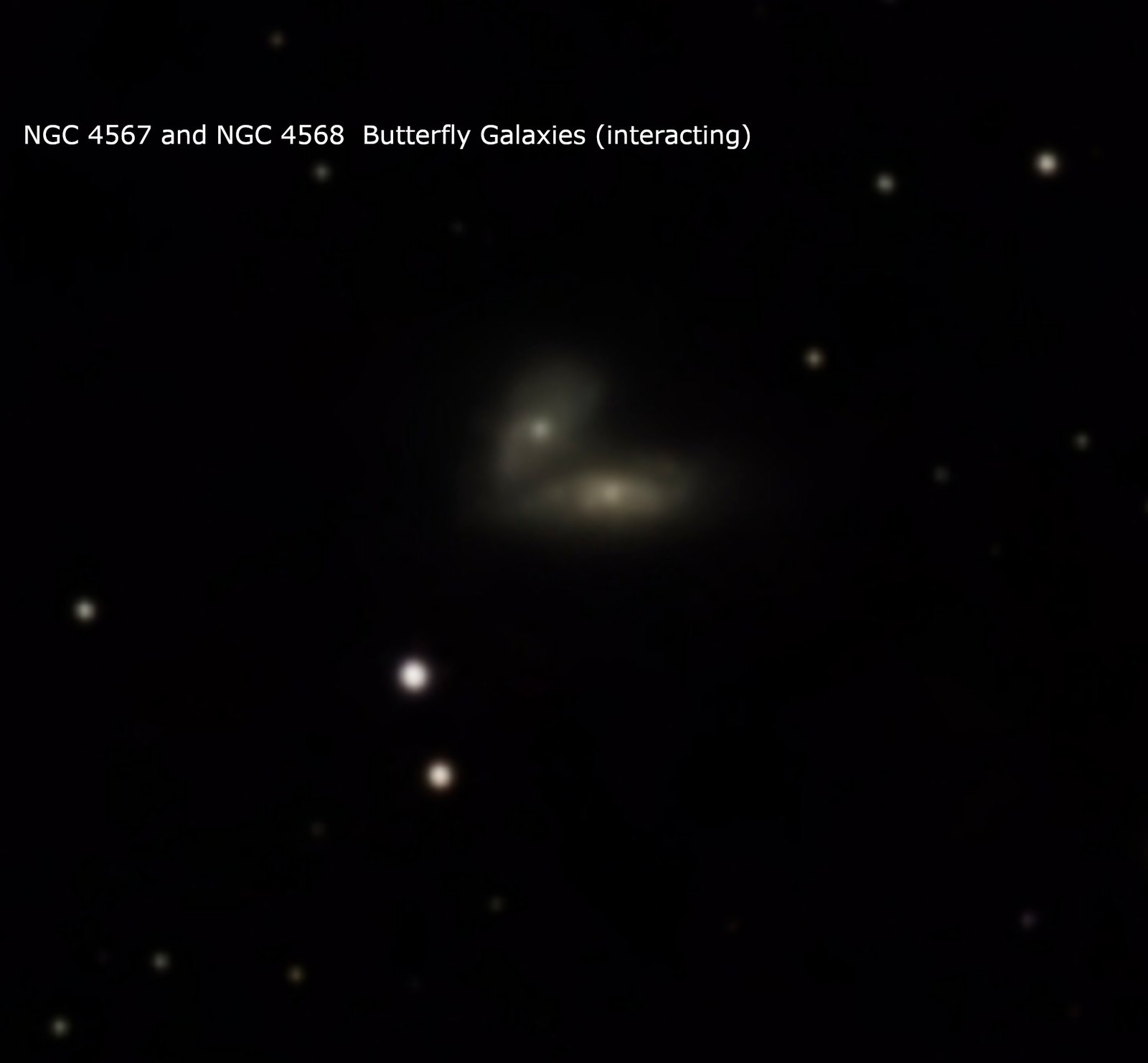
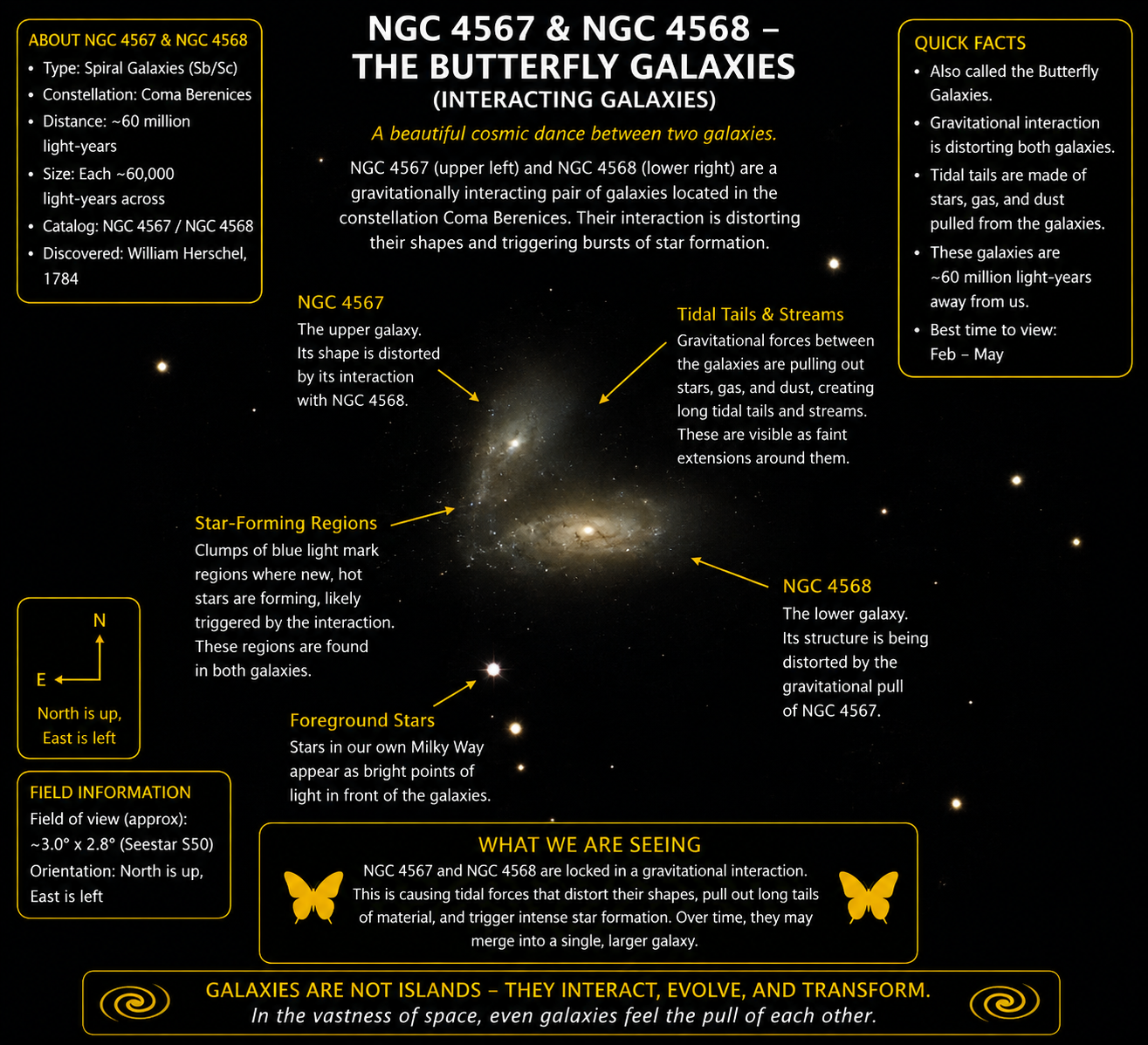
Picture 10 — NGC 4567 and NGC 4568 — Butterfly Galaxies
NGC 4567 and NGC 4568 are a pair of interacting spiral galaxies in the Virgo Cluster, commonly called the Butterfly Galaxies. They lie roughly 60 million light-years away and appear to overlap from our viewpoint. Their close proximity is not merely a line-of-sight coincidence: the two galaxies are gravitationally interacting.
As the galaxies pass near one another, mutual gravity disturbs their gas, dust, and stellar disks. Such encounters can compress interstellar gas and stimulate new star formation, while repeated interactions may eventually lead to a merger. The pair offers a relatively nearby view of a process that has played a major role in the evolution of galaxies throughout cosmic history.
Picture 11 — NGC 4631 & NGC 4627 — Whale Galaxy and Companion
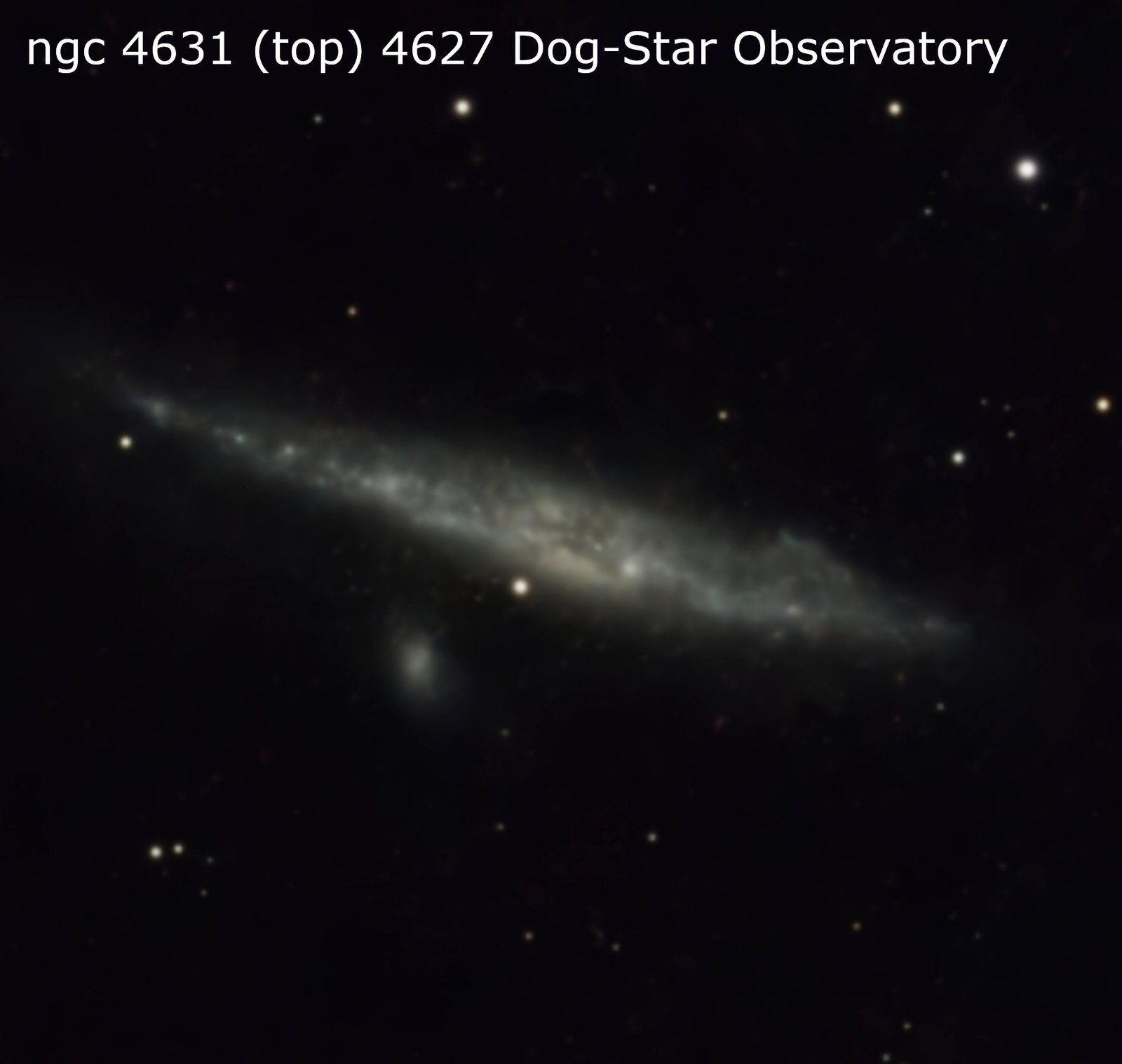
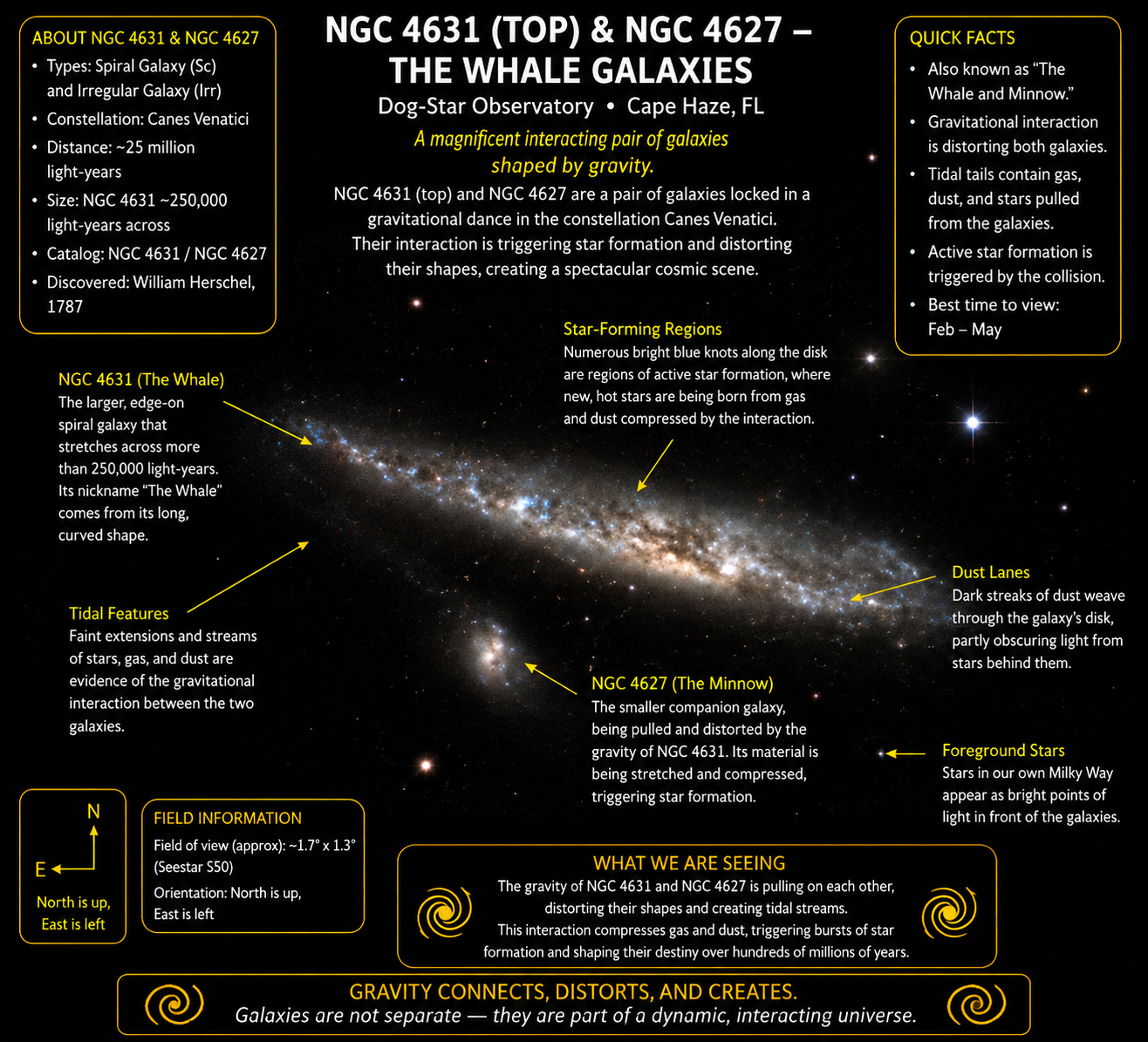
NGC 4631, commonly called the Whale Galaxy, is a large spiral galaxy seen nearly edge-on in Canes Venatici, about 25 million light-years away. Its elongated, slightly curved disk is filled with dust, gas, and bright regions of active star formation. The small companion galaxy NGC 4627 appears close beside it, adding to the striking appearance of the field.
NGC 4631 is part of a gravitationally interacting group, and those encounters have helped disturb its disk and stimulate star formation. Professional observations also reveal hot gas extending far above and below the galaxy's plane, driven by stellar winds and supernovae. The system is a useful example of how interactions can affect both the visible structure of a galaxy and the gas surrounding it.
Picture 12 — NGC 4656 — Hockey Stick Galaxy
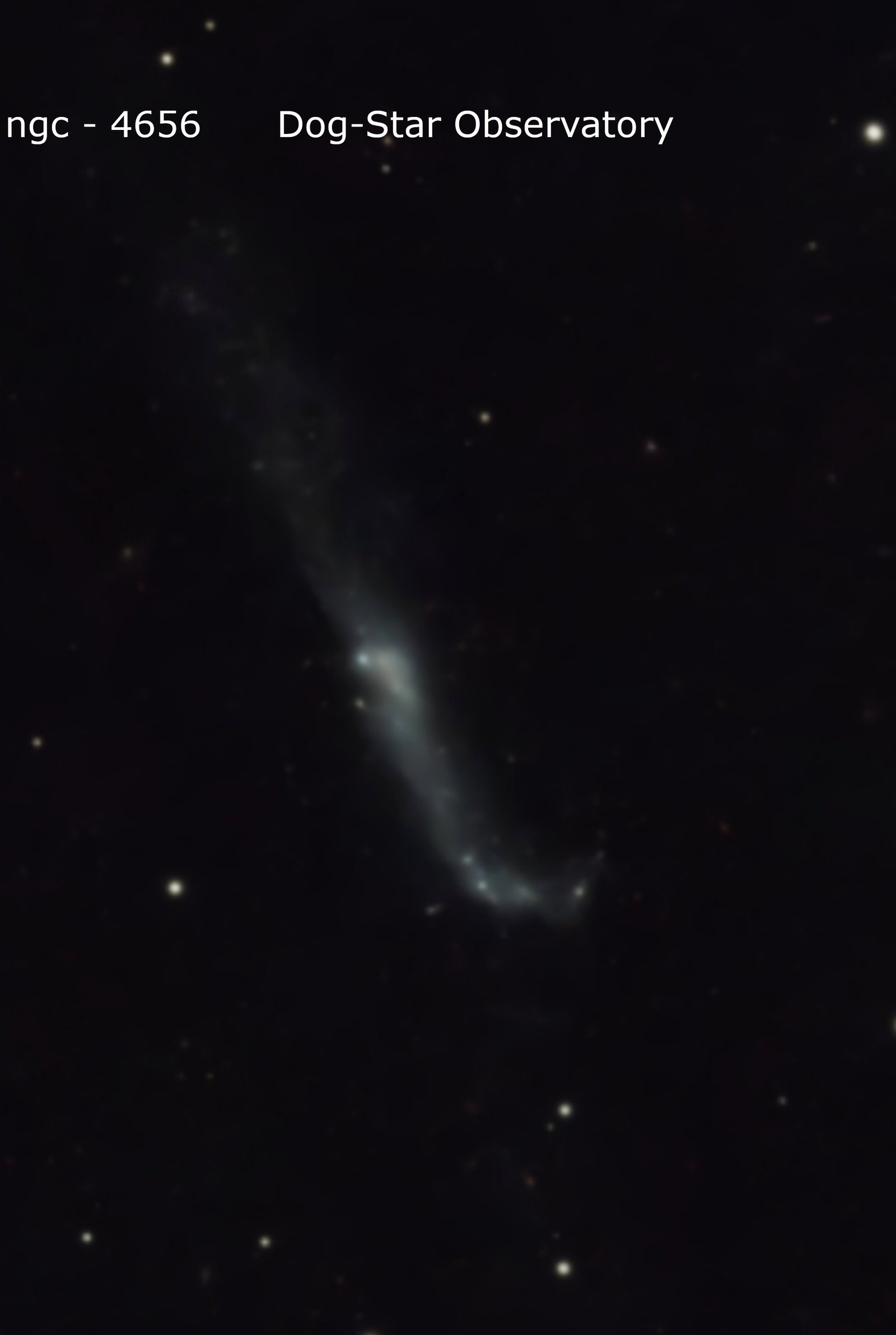
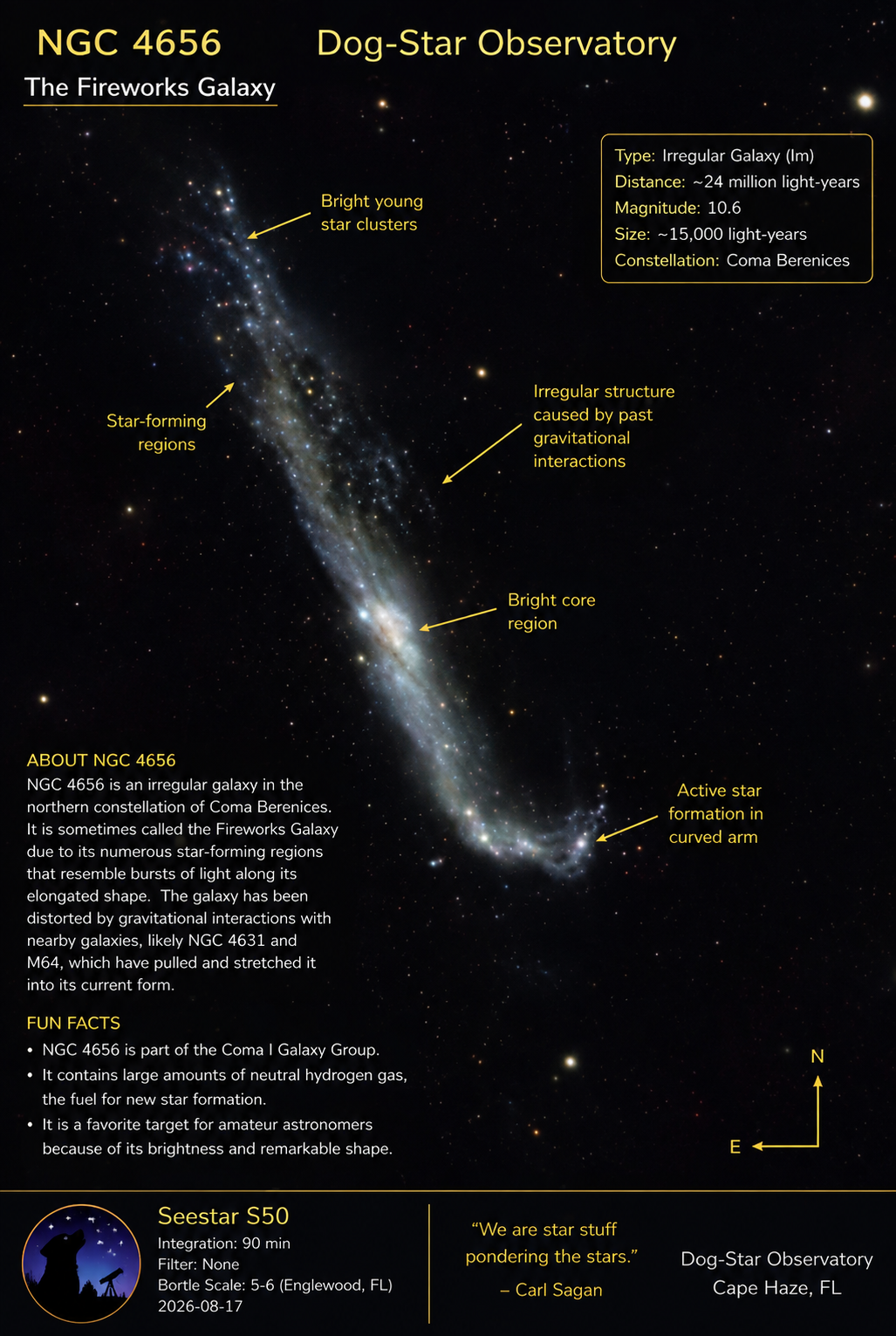
NGC 4656 is an irregular, distorted galaxy in Canes Venatici located roughly 30 million light-years away. Its long, bent shape gives it the popular name Hockey Stick Galaxy. Rather than displaying the orderly symmetry of a classic spiral, the galaxy appears stretched and curved, with bright knots tracing regions of active star formation along its length.
The unusual shape of NGC 4656 is largely the result of gravitational interaction with nearby galaxies, especially NGC 4631. Tidal forces have disturbed its stars and gas and helped trigger new star formation in compressed regions. It therefore provides a vivid example of how galaxy encounters can reshape a stellar system without immediately producing a complete merger.
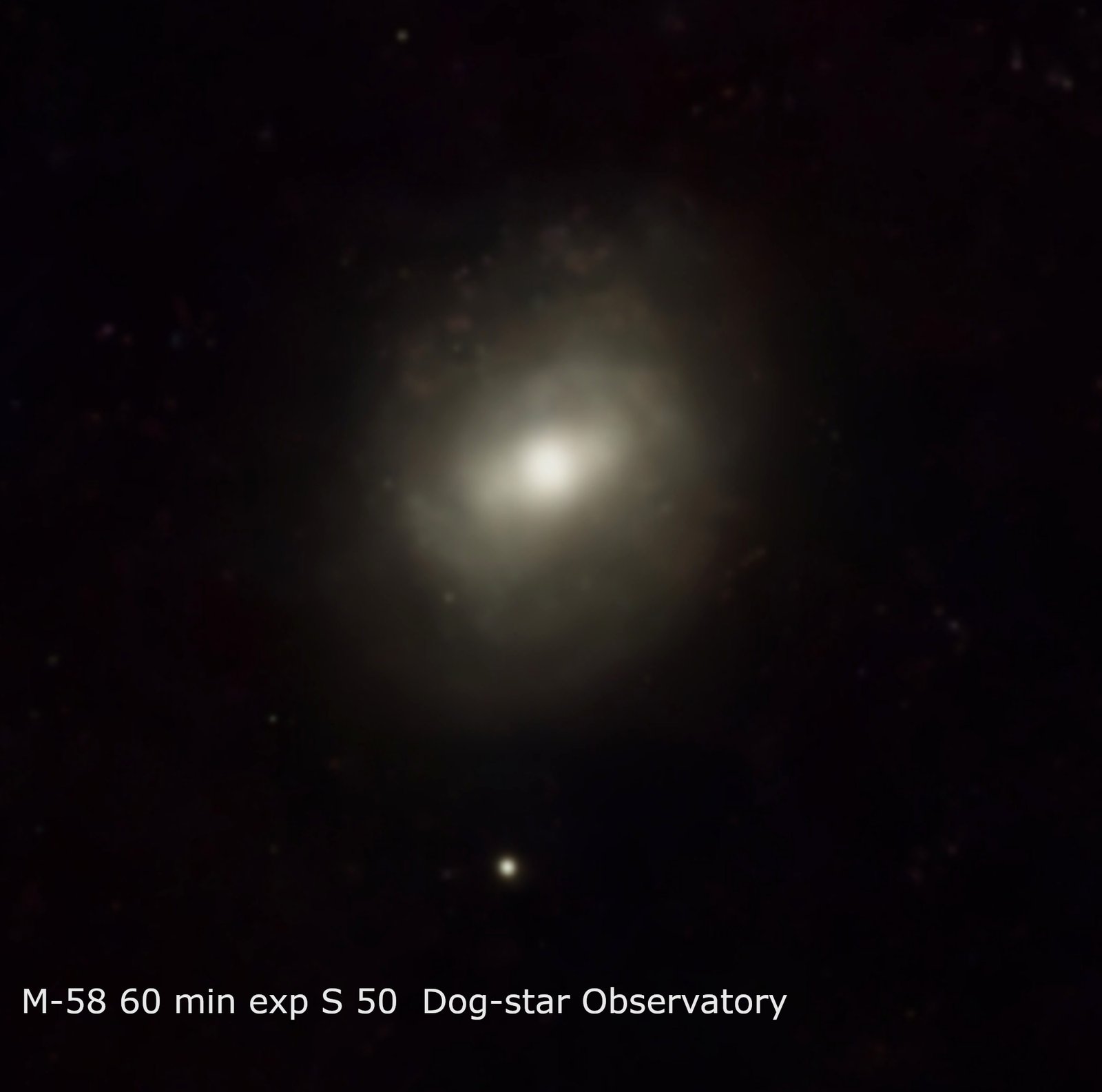
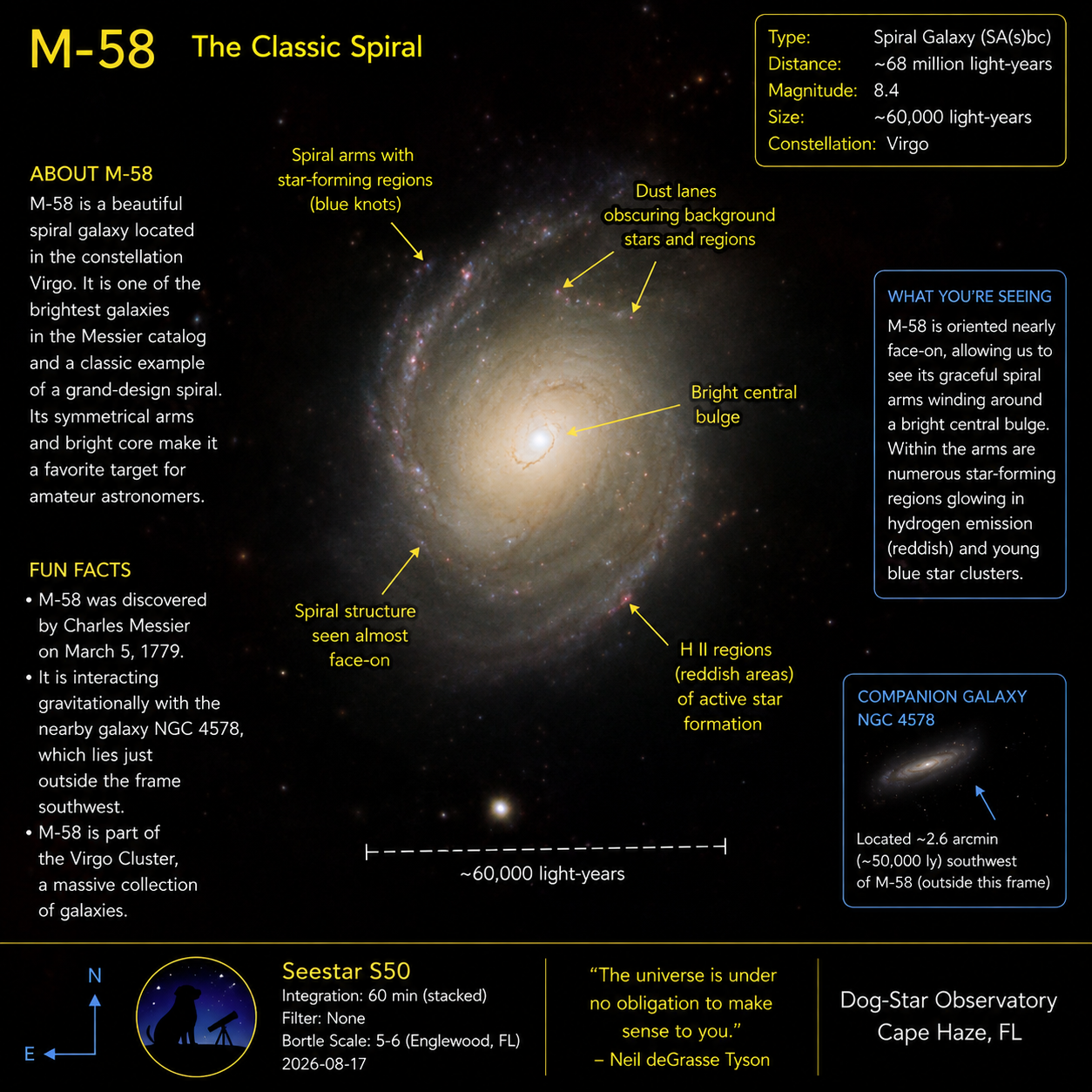
Picture 13 — Messier 58 (M58) — Barred Spiral Galaxy
Messier 58 is a barred spiral galaxy in the Virgo Cluster, roughly 60 million light-years from Earth. Its bright central region is crossed by a stellar bar, while more diffuse spiral structure extends outward through the disk. Because M58 lies within the crowded Virgo Cluster, it is part of an environment where galaxies frequently experience gravitational influences from neighboring systems and from the cluster as a whole.
M58 also contains an active galactic nucleus powered by matter falling toward a central supermassive black hole. The galaxy combines several important features in one object: a central bar, spiral structure, star-forming material in the disk, and an active nucleus. It is therefore a useful example of the range of physical processes that can operate simultaneously within a large spiral galaxy.
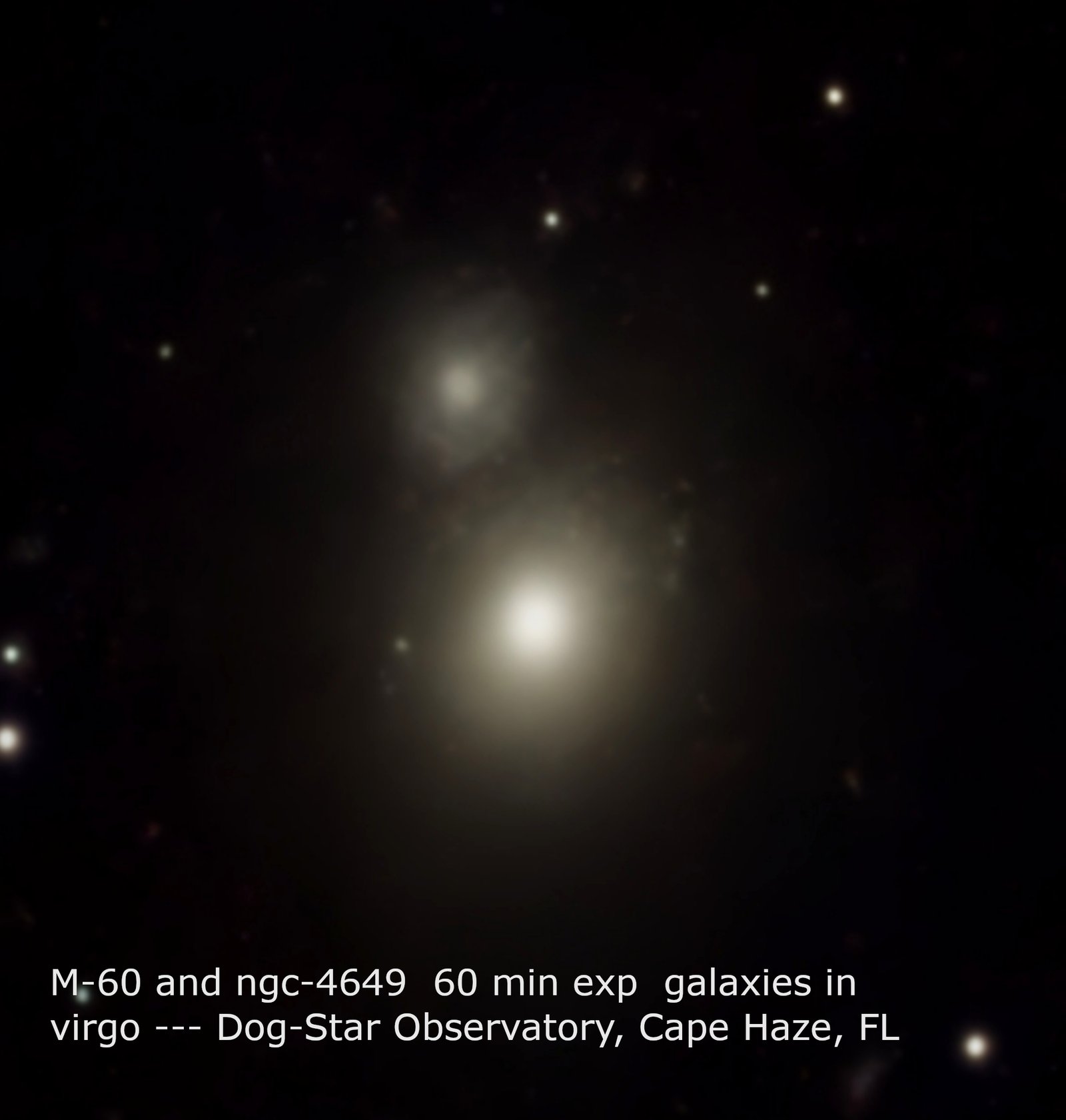
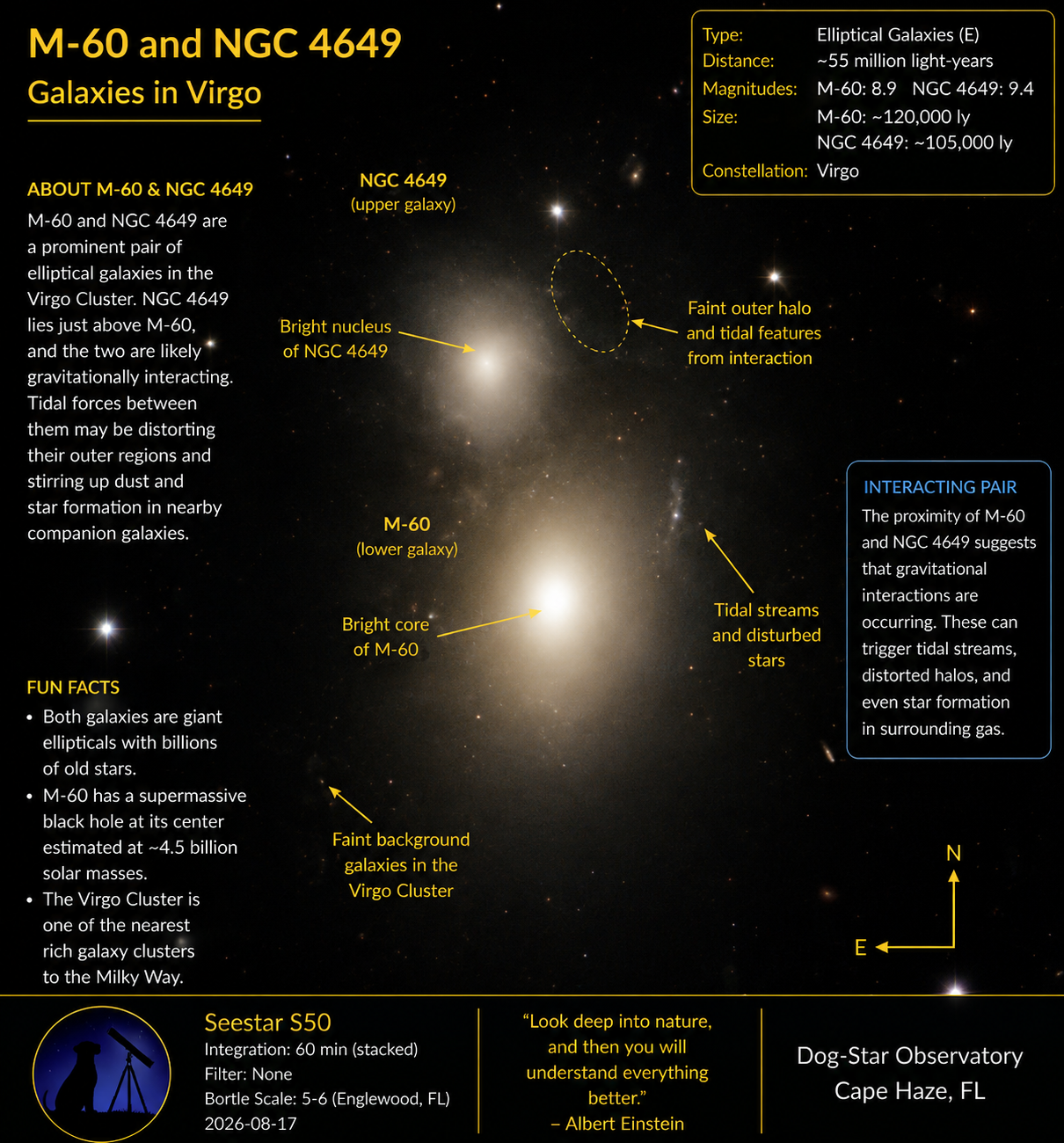
Picture 14 — Messier 60 (M60 / NGC 4649) and NGC 4647
Messier 60 is a giant elliptical galaxy in the Virgo Cluster, about 55 million light-years away. M60 is itself NGC 4649; the nearby companion visible in the same field is the spiral galaxy NGC 4647. Their close apparent pairing makes the image especially useful for comparing two very different galaxy types side by side.
M60 is dominated by an older stellar population and shows little of the dust or spiral structure seen in disk galaxies. NGC 4647, by contrast, contains a flattened stellar disk and spiral structure with younger stars and interstellar gas. The pair demonstrates how elliptical and spiral galaxies can differ dramatically in morphology, stellar populations, and ongoing star formation even when they occupy the same region of the sky.
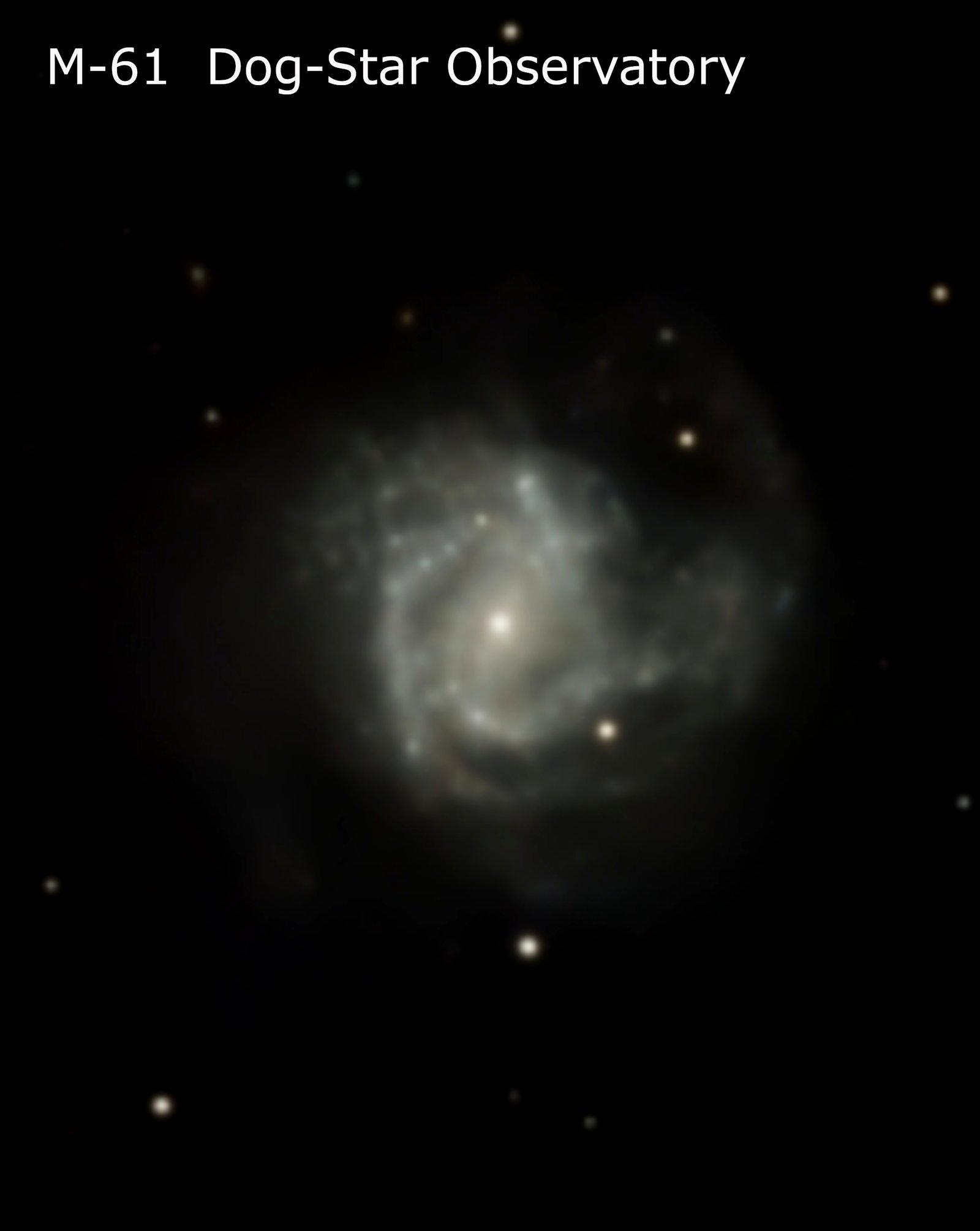
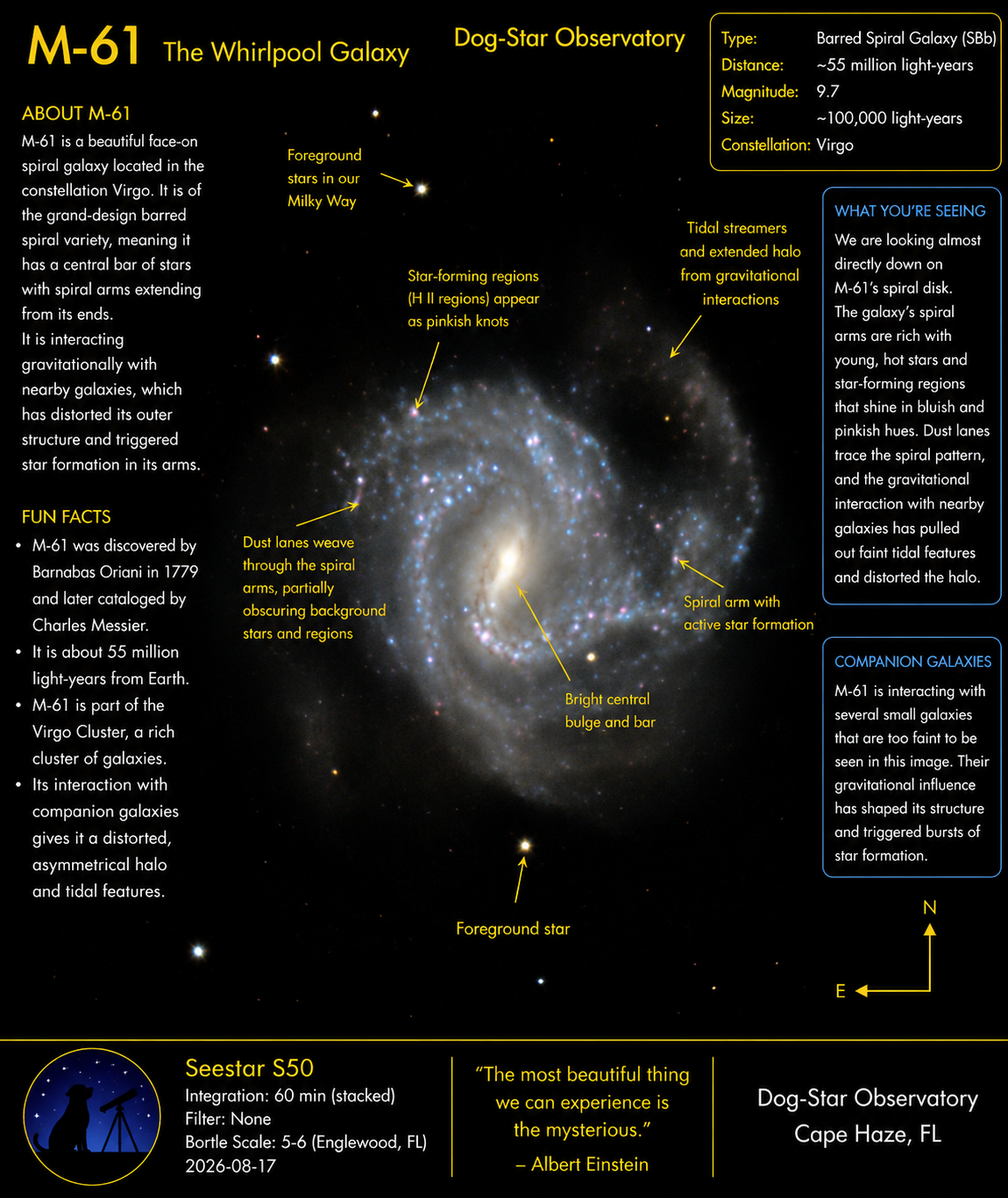
Picture 15 — Messier 61 (M61) — Face-on Barred Spiral Galaxy
Messier 61 is a large barred spiral galaxy in the Virgo Cluster, located roughly 52 million light-years away. We view it nearly face-on, making its bright nucleus, central bar, and winding spiral arms relatively easy to distinguish. The arms contain numerous patches of active star formation, giving the galaxy a clumpy and textured appearance.
M61 has hosted several observed supernovae, evidence of the vigorous cycle of stellar birth and death occurring within its disk. Its nearly face-on orientation makes it especially useful for comparing spiral-arm structure, star-forming regions, and the central bar without the heavy overlap that occurs in edge-on systems. It is one of the most visually distinctive spiral galaxies in the Virgo Cluster.
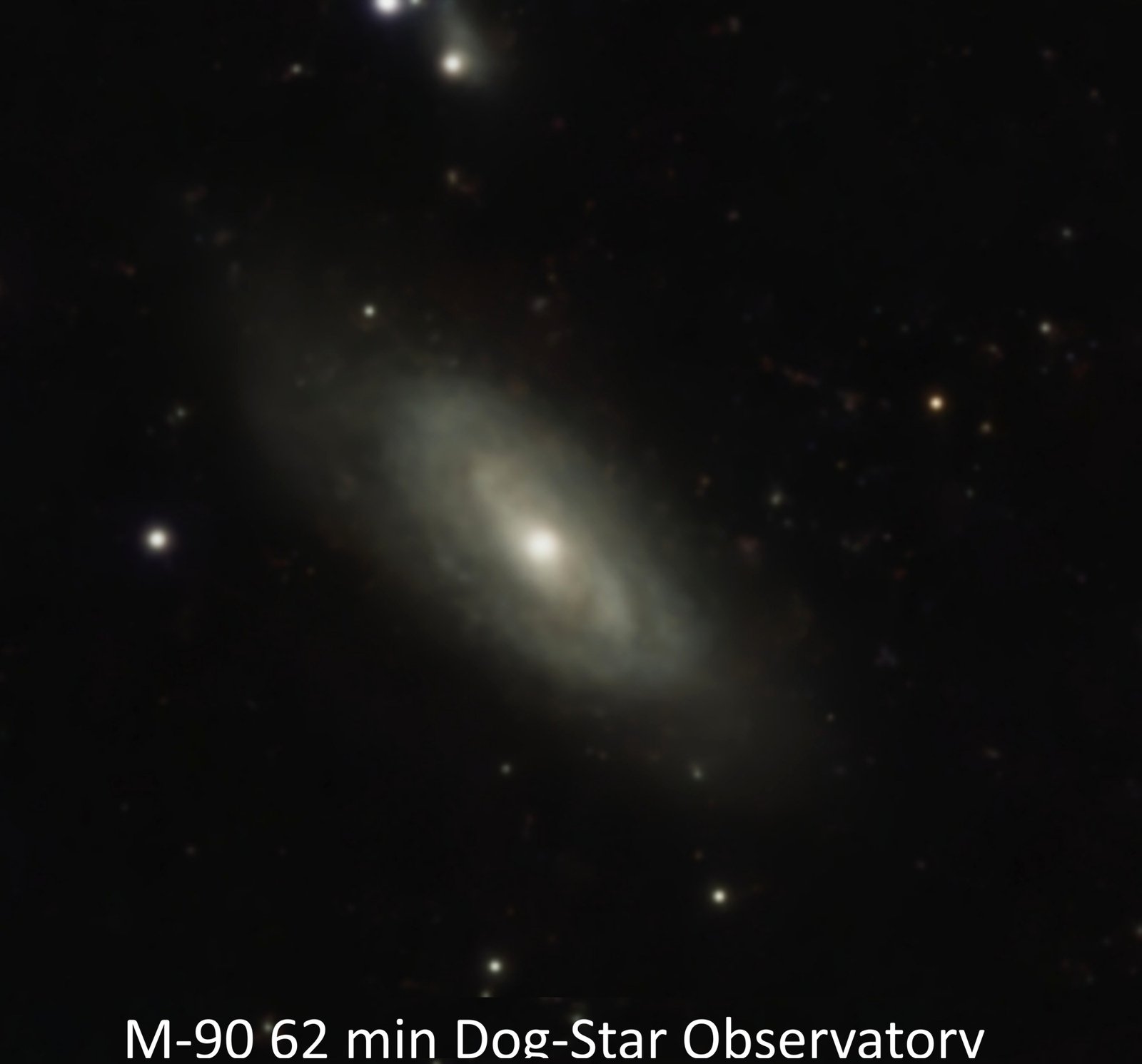
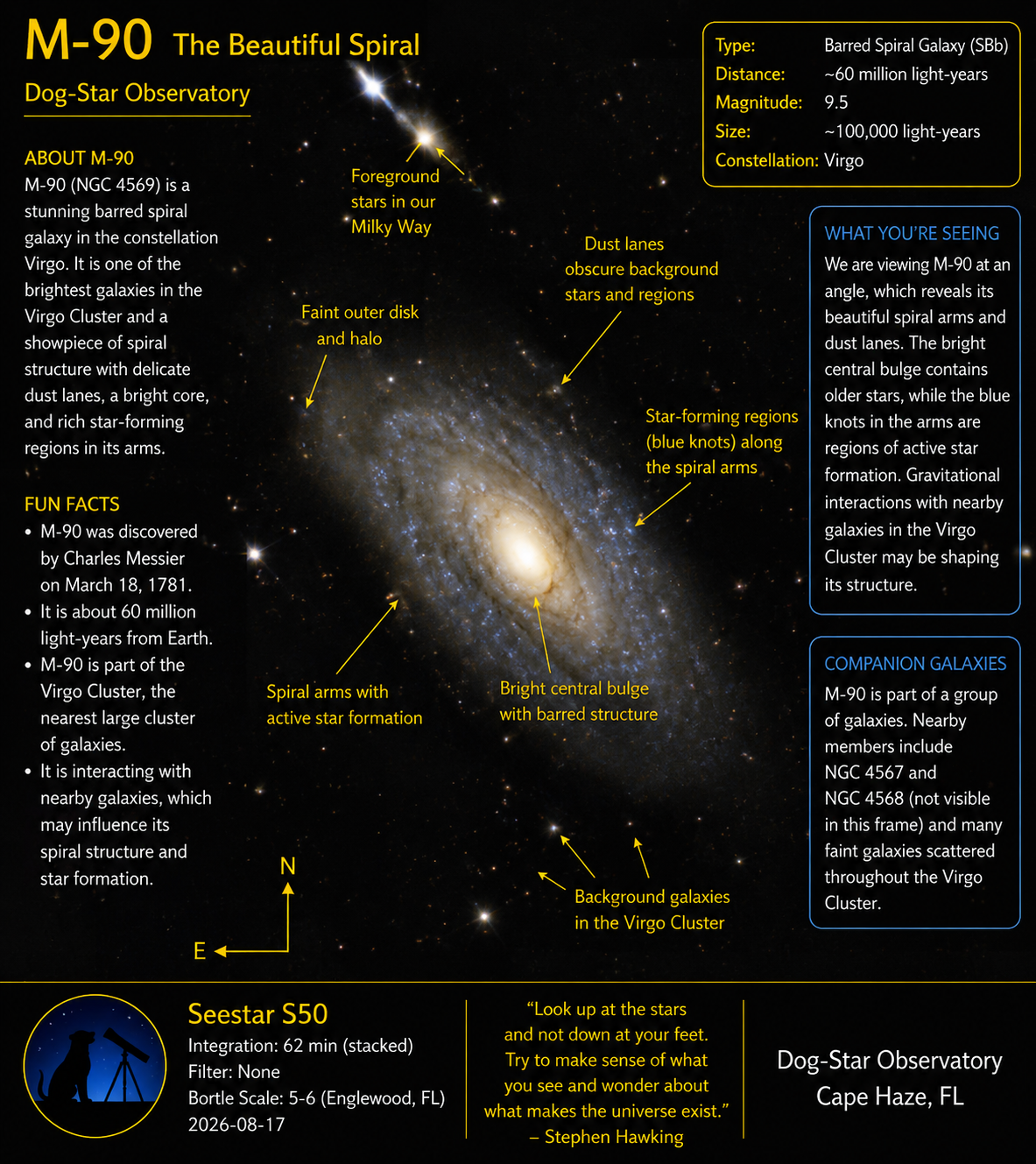
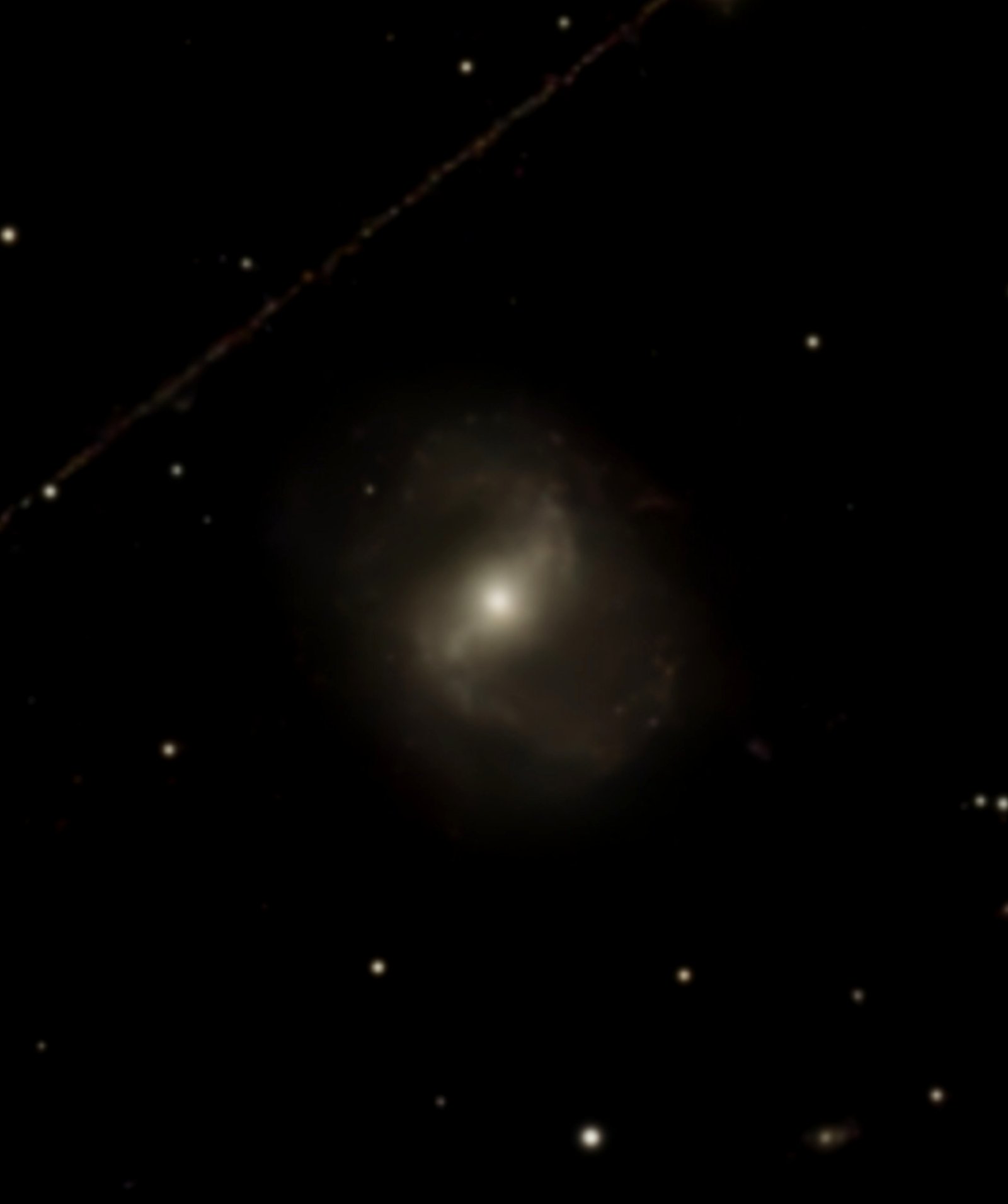
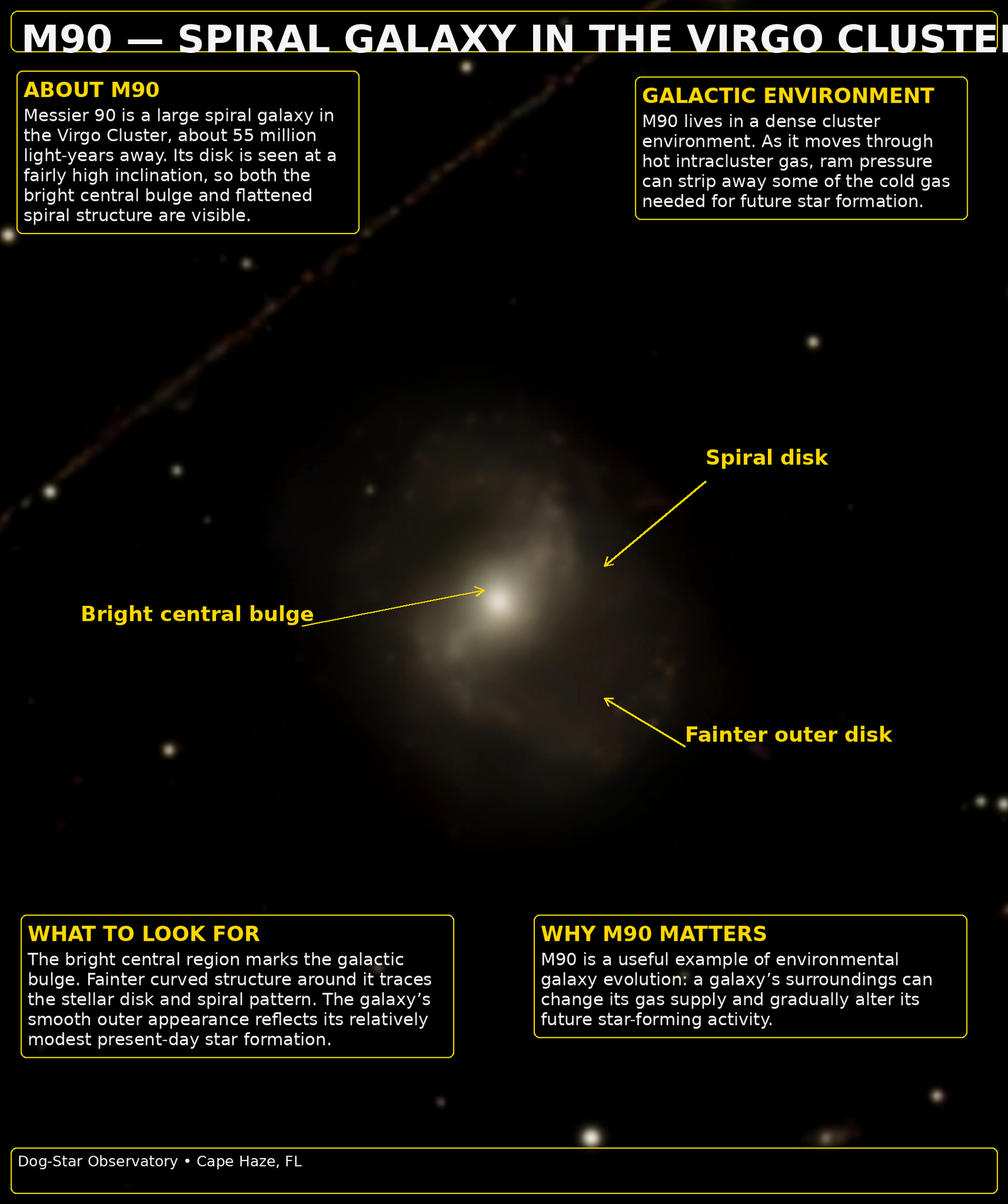
Picture 16 — Messier 90 (M90) — Virgo Spiral Galaxy
Messier 90 is a large spiral galaxy in the Virgo Cluster, about 55 million light-years away. It is seen at a moderately high inclination, so its bright central bulge and flattened disk are both apparent. Compared with many field spirals, M90 contains relatively little neutral hydrogen and shows reduced star formation across much of its disk.
Its location inside the Virgo Cluster helps explain that difference. As M90 moves through hot intracluster gas, ram-pressure stripping can remove some of the colder gas needed to form new stars. M90 is therefore an important example of environmental galaxy evolution: a galaxy's surroundings can influence its gas supply, star-formation rate, and long-term development.
Picture 17 — NGC 4754 — Barred Lenticular Galaxy
NGC 4754 is a barred lenticular galaxy in Virgo. Lenticular galaxies occupy a morphological middle ground between spirals and ellipticals: they have a flattened stellar disk and often a central bar, but they contain much less gas and show little obvious spiral structure. In photographs, NGC 4754 appears as a smooth oval system with a bright central region.
Its comparatively featureless disk reflects a stellar population dominated by older stars and a low present-day rate of star formation. Studying galaxies such as NGC 4754 helps astronomers investigate how spiral galaxies may lose gas, fade, and evolve into lenticular systems, particularly in dense environments such as galaxy clusters.
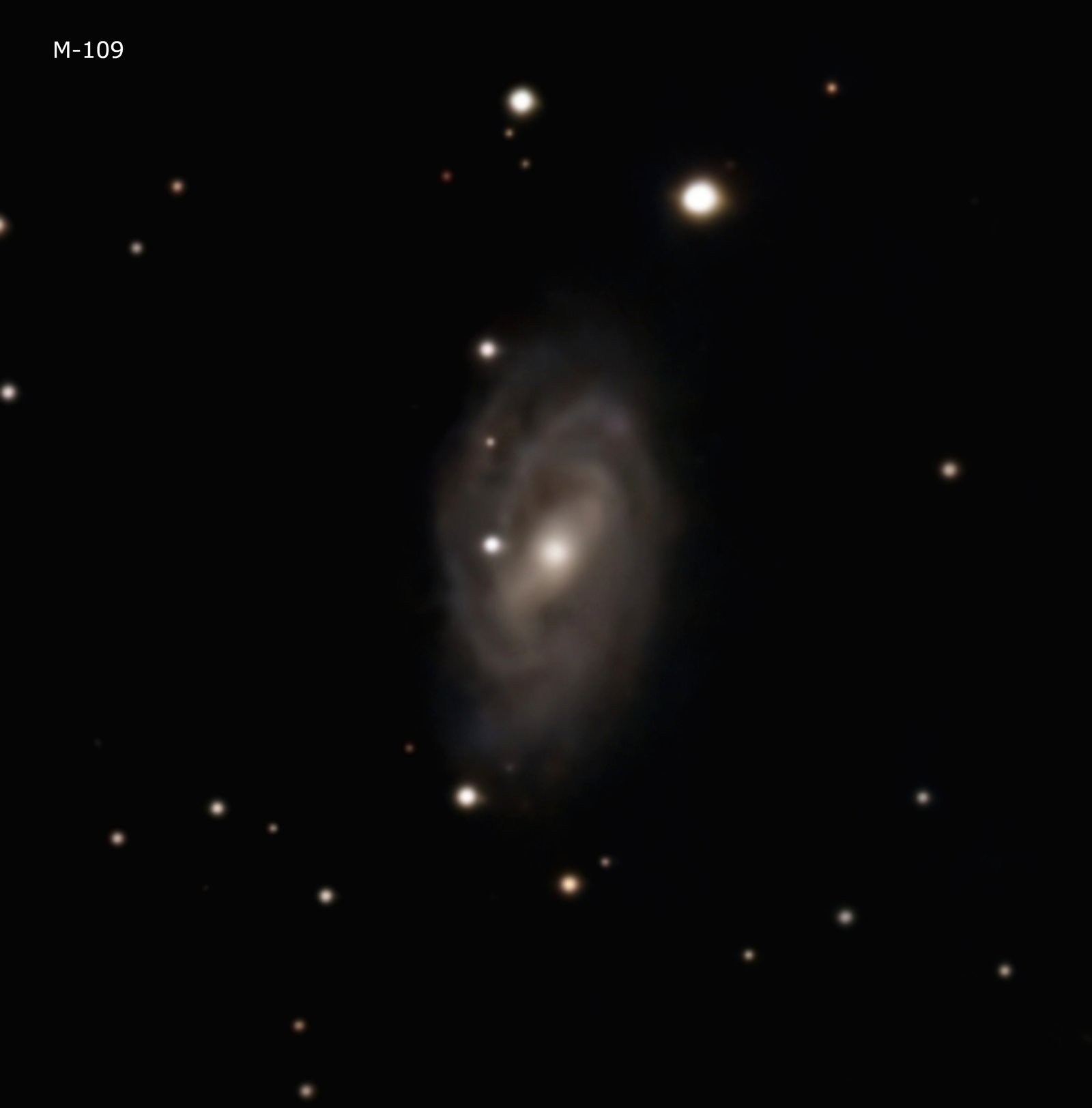
Picture 18 — Messier 109 (M109) — Barred Spiral Galaxy
Messier 109 is a barred spiral galaxy in Ursa Major, roughly 80 million light-years from Earth. Its prominent central bar is surrounded by a broad disk containing spiral structure, dust, and regions of star formation. The galaxy is seen at an angle rather than perfectly face-on, allowing both the bar and the oval shape of the disk to stand out.
Bars play an important role in galaxy evolution because they can redistribute stars and channel interstellar gas inward toward the central regions. This movement of material can influence both star formation and activity near the galactic nucleus. M109 is therefore an excellent example of how large-scale stellar structure can affect the internal evolution of a spiral galaxy.
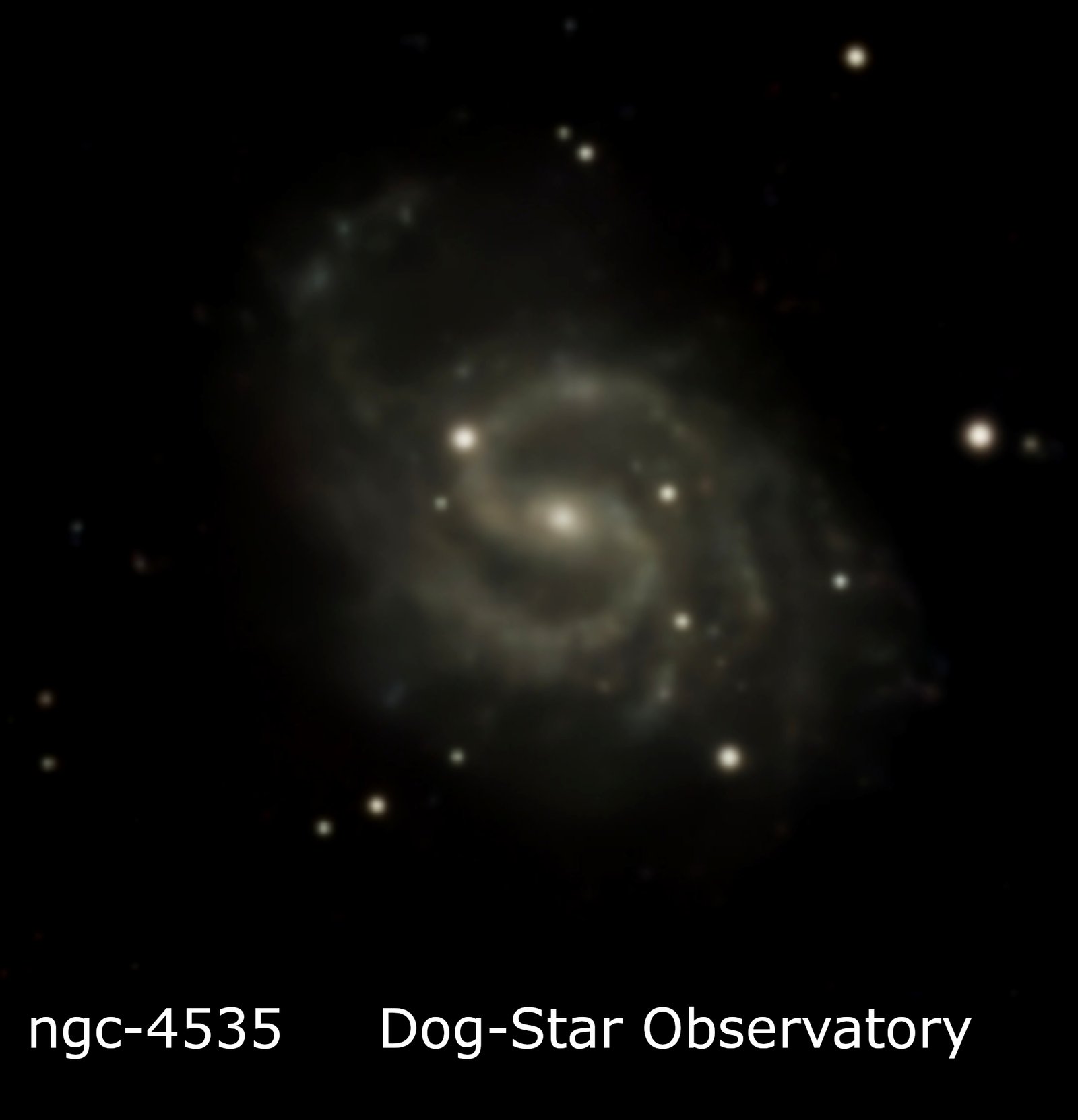
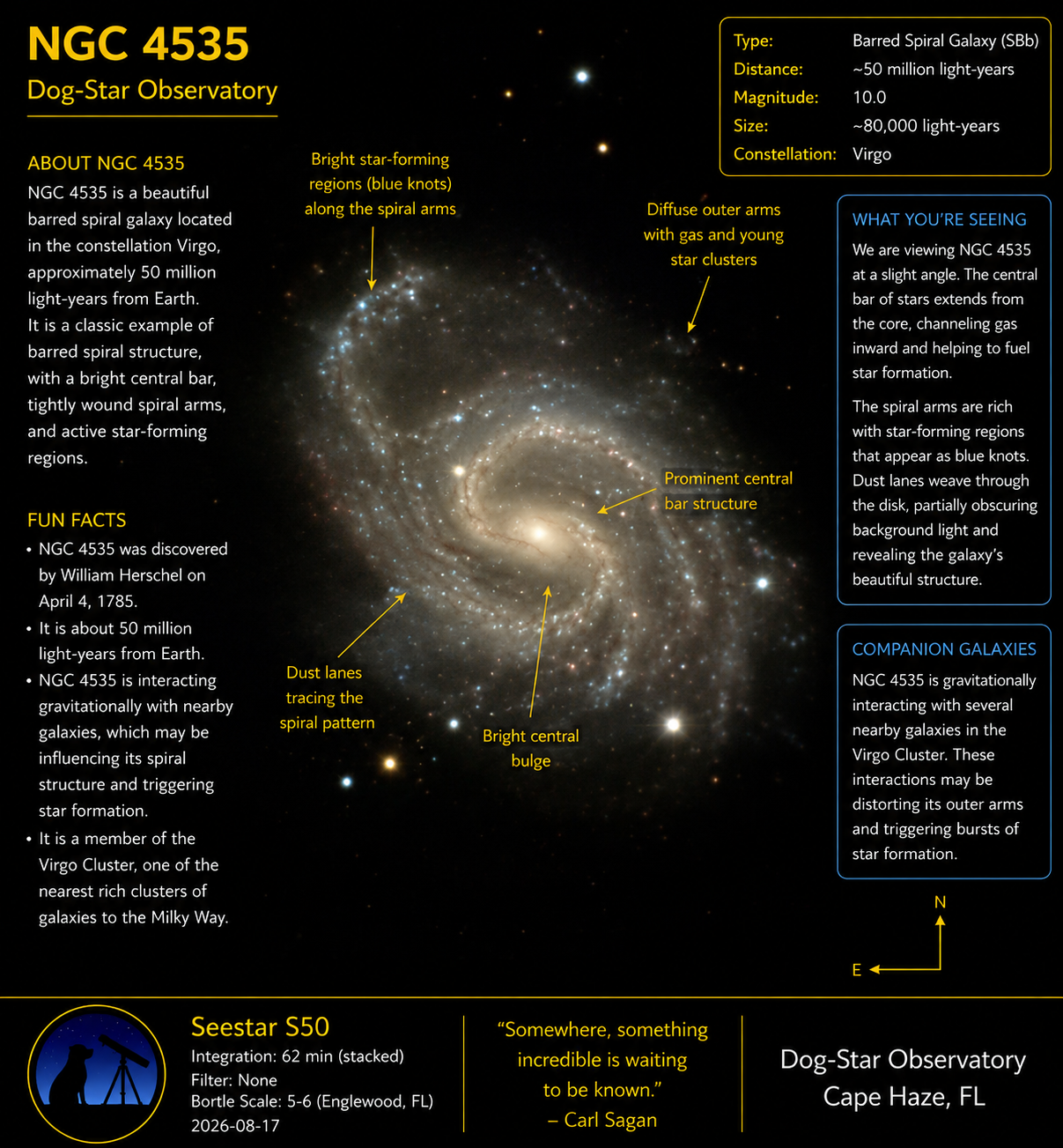
Picture 19 — NGC 4535 — Spiral Galaxy in Virgo
NGC 4535 is a barred spiral galaxy in the Virgo Cluster, located about 50 million light-years away. It is viewed nearly face-on, revealing a bright central region surrounded by broad, asymmetric spiral arms. The arms contain dust and numerous star-forming regions, producing the patchy structure visible across the galaxy's disk.
Despite its attractive photographic appearance, NGC 4535 can be visually difficult through a telescope because its light is spread over a relatively large area, giving it a low surface brightness. This contrast between total brightness and surface brightness is an important observational concept: a galaxy may contain enormous amounts of light yet still appear faint if that light is distributed across a broad region of the sky.


Picture 26 — NGC 864 — Spiral Galaxy
NGC 864 is a spiral galaxy in Cetus, roughly 70 million light-years from Earth. Its disk is tilted enough to show both the bright central region and the surrounding spiral structure. The arms contain stars, gas, dust, and patches of star formation, while the galaxy's overall appearance is less sharply symmetric than the classic grand-design spirals.
NGC 864 is a useful example of the more subtle spiral structure found in many galaxies. Spiral arms do not always form two sharply defined, high-contrast patterns; they can be uneven, fragmented, or partly obscured by dust and viewing angle. Systems such as NGC 864 help astronomers study how stellar disks organize themselves and how star formation is distributed through ordinary spiral galaxies.


Picture 27 — Messier 64 (M64 / NGC 4826) — Black Eye Galaxy
Messier 64 is a spiral galaxy in Coma Berenices about 17 million light-years away. Its familiar nickname comes from the conspicuous dark dust lane crossing one side of the bright central region. The dust absorbs light from stars behind it, producing the striking dark feature that makes M64 one of the easiest galaxies to recognize in photographs.
M64 is also dynamically unusual. Gas in its outer regions rotates in the opposite direction from much of the material nearer the center, evidence that the galaxy probably acquired gas through a past interaction or merger with a smaller system. This counter-rotation makes M64 an excellent example of how galaxy encounters can leave long-lived signatures even after the interacting companion is no longer obvious.


Picture 28 — Messier 74 (M74 / NGC 628) — Phantom Galaxy
Messier 74 is a nearly face-on spiral galaxy in Pisces about 30 million light-years from Earth. Its orientation gives us an unusually clear view of the disk, central region, and sweeping spiral arms. The arms contain gas, dust, young stars, and numerous star-forming regions, making M74 an excellent example of large-scale spiral structure.
The galaxy is nicknamed the Phantom Galaxy because its light is spread over a relatively large area, giving it a low surface brightness despite its substantial total luminosity. This makes M74 a useful demonstration of the difference between total magnitude and surface brightness: an extended object can contain a great deal of light and still be difficult to see visually when that light is widely distributed.


Picture 29 — Messier 77 (M77 / NGC 1068) — Seyfert Galaxy
Messier 77 is a spiral galaxy in Cetus about 45 million light-years away. Its disk contains spiral structure, dust, gas, and active star-forming regions, but the galaxy is especially famous for its exceptionally luminous nucleus. M77 is one of the best-known Seyfert galaxies, a class characterized by unusually strong radiation from a compact central region.
The energy is produced by matter falling toward a supermassive black hole at the galaxy's center. As gas spirals inward through an accretion disk it becomes extremely hot and emits enormous amounts of radiation, while surrounding dust hides some of the central engine from direct view. Because it is relatively nearby, M77 is an important laboratory for studying active galactic nuclei and the relationship between black holes and their host galaxies.
Back to top
Home
Copyright G.M. Santoro, PhD, 2026 |
contact-gmsantoro@gmail.com